

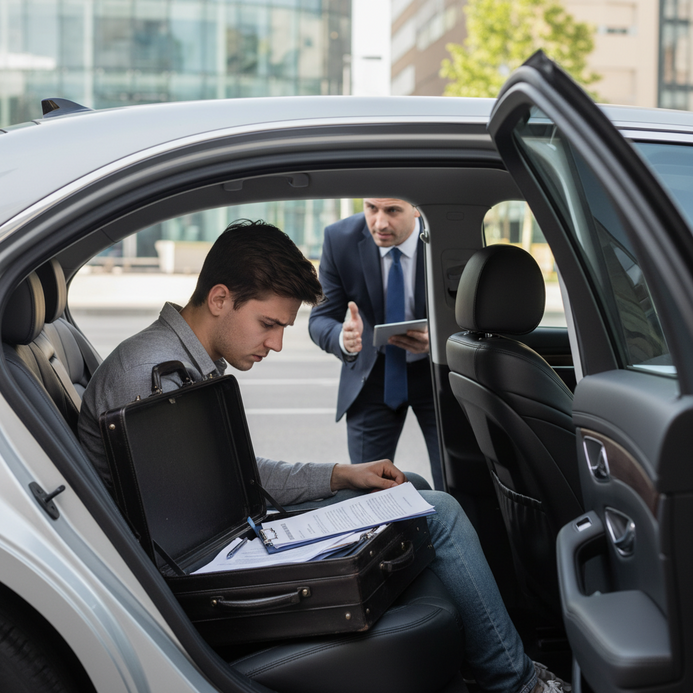
Uber and other rideshare collisions combine commercial insurance, app technology, and fast-changing laws, so fault and compensation are rarely straightforward. Competitors often focus only on “Contact us” or “Get a Free Consultation,” but many injured riders still have basic questions about who pays and how claims work.
This guide explains what to do after an Uber or Lyft crash, how rideshare liability and insurance operate, and when an Uber accident lawyer or rideshare accident lawyer can significantly improve your outcome. You will see how LegalExperts.AI connects you with vetted counsel for serious Uber and Lyft injury claims so you can move from uncertainty to a clear plan of action through LegalExperts.AI.
Understanding Uber and Rideshare Accident Claims
Uber, Lyft, taxi, and other rideshare accident claims sit at the intersection of personal injury law, commercial insurance, and platform terms of service. A successful claim requires understanding how trip status, app data, and multiple policies interact for passengers, drivers, and third parties.
What Happens After an Uber or Lyft Accident?
When an Uber or Lyft accident occurs, the sequence from collision to final report determines what evidence exists and which insurance policies apply. The immediate focus is safety and documentation, followed by notifying law enforcement, insurers, and the rideshare platform.
After the collision, parties should call 911 so police and paramedics can attend the scene, generate a report, and provide emergency medical care. Once safe, passengers and drivers should document vehicle positions, license plates, and visible injuries, and obtain contact and insurance details for every involved driver. The crash then needs to be reported through the Uber or Lyft app, which creates a digital record that can trigger different layers of rideshare insurance based on whether the driver was offline, waiting for a ride, or transporting a passenger. Early contact with an Uber accident lawyer helps preserve dashcam footage, app screenshots, and witness information before they disappear.
How are Accidents Involving Uber, Lyft, and Other Rideshare Services Different?
Accidents involving Uber, Lyft, and other rideshare services differ from regular car accidents because liability and coverage depend heavily on the driver’s app status. A standard two-car collision usually involves one at‑fault driver and one primary auto insurer, while rideshare crashes often involve several insurers and higher commercial limits.
When an Uber or Lyft driver is logged into the app and transporting a passenger, commercial coverage generally provides higher third‑party limits than personal auto insurance. If the driver is waiting for a ride request, contingent coverage may apply only after the driver’s personal policy responds. The independent contractor status of most Uber and Lyft drivers creates additional hurdles regarding direct corporate liability, while policy exclusions and rideshare-specific endorsements can limit recovery for some claimants. A rideshare accident lawyer or Lyft accident lawyer evaluates personal, commercial, and sometimes excess policies to identify every available source of compensation.
What Are the Unique Issues in Rideshare Accidents Today?
Unique issues in rideshare accidents arise from cross-jurisdiction trips, mixed rideshare–taxi collisions, and the volume of digital data generated by every ride. Evidence such as trip logs, GPS routes, and in‑app messaging can clarify fault but often requires prompt legal action to obtain and preserve.
Liability in rideshare accidents can change depending on whether the driver was offline, online but waiting for a request, en route to pick up a passenger, or carrying a passenger at the time of impact. Cross-border or intercity trips add layers of complexity where different liability and limitation rules apply, especially around municipal responsibility for road hazards or traffic control failures. When an Uber vehicle collides with a taxi, Uber & Taxi Accident Lawyers must analyze both commercial taxi policies and rideshare policies, as well as any municipal or fleet insurance that might respond. Detailed documentation, including app screenshots and trip receipts, gives counsel a stronger foundation for reconstructing the crash and locating coverage.
Who Can Make a Claim After a Rideshare Accident?
Many people assume only paying passengers have rights after an Uber or Lyft crash, but the law generally allows several categories of injured parties to pursue compensation. A careful review of the facts by Uber, Lyft & rideshare accident lawyers usually identifies multiple claim options.
Uber and Lyft passengers who suffer injury during a trip can typically claim under the rideshare commercial policy and, in some regions, their own accident benefits coverage. Rideshare drivers may claim for personal injuries and income loss, depending on fault allocation and available benefits, while occupants of other vehicles, pedestrians, and cyclists can often proceed against the at‑fault driver and any applicable rideshare policy. Your rights after an Uber accident include seeking compensation for medical expenses, lost income, and pain and suffering as a non-driver, provided fault and coverage are established. A Hamilton Uber accident lawyer or Toronto Uber accident lawyer evaluates jurisdiction-specific rules to determine whether you sue, pursue an insurance claim, or both.
What to Do After an Uber or Rideshare Accident
Many riders search “what to do after an Uber accident” or “what to do after a rideshare accident” only after leaving the scene, when crucial evidence may already be lost. Clear steps before and after medical treatment help protect both health and future claims.
What to Do After an Uber Accident at the Scene?
Immediate steps at the scene of an Uber accident focus on safety, medical care, and preserving evidence that supports liability and damages. These actions apply whether you are a passenger, driver, pedestrian, or another motorist.
Key steps to take immediately after rideshare accidents include the following:
- Move to a safe location away from active traffic and call 911 so emergency services can assess injuries and secure the area.
- Obtain medical care on scene or at a hospital, even for symptoms that appear minor, because common Uber accident injuries such as whiplash, concussions, and soft-tissue damage can worsen over time.
- Collect the names, contact information, vehicle details, and insurance information of every driver involved, including any taxis, Uber, Lyft, and other rideshare services.
- Take photos and videos of vehicle damage, road conditions, traffic signals, skid marks, and visible injuries to support damages available in a rideshare accident and later insurance claims.
What Should I Do Immediately After an Uber Accident in Hamilton or Toronto?
For riders in Ontario cities such as Hamilton or Toronto, additional local rules apply once you leave the scene. Prompt reporting helps secure accident benefits and strengthens any tort claim against an at‑fault driver.
After stabilizing medically, injured individuals in Hamilton or Toronto should obtain the collision report number, request a copy of the police report, and notify personal auto insurers within the required time frame, even when injured as a passenger. Steps to take after an Uber accident in Toronto or Hamilton include documenting every medical visit, specialist referral, and rehabilitation session, and keeping receipts for out-of-pocket costs. When questions about fault or coverage arise, contacting a Hamilton Uber accident lawyer, a Toronto Uber and Lyft accident lawyer, or Uber Accident Lawyers in Toronto allows early legal advice tailored to provincial rules and local court practices.
What Should I Do After an Uber/Lyft Collision as a Passenger or Driver?
The steps after an Uber/Lyft collision differ slightly for passengers and drivers, especially regarding reporting duties and income loss documentation. Both groups should act quickly to secure digital records and confirm which insurers have been notified.
Passengers should save in‑app ride receipts, driver details, and any messages exchanged with the driver or support team, as these records help with filing a claim as a passenger against the appropriate policy. Drivers, whether personal or rideshare, should report the crash both to the rideshare platform and to personal insurers, and keep a log of missed workdays and repair estimates to support filing a claim as another motorist. When app-based support channels are unresponsive, deny responsibility, or push for quick low-value settlements, contacting a rideshare accident lawyer or an Uber and Lyft accident lawyer gives injured parties an advocate who understands platform processes and insurer tactics.
What Digital Tools Can Help You Document an Uber or Lyft Accident?
Smartphones and cloud platforms provide powerful tools for preserving evidence after a rideshare accident, especially when injury symptoms develop over time. Organized digital records help an Uber accident attorney or rideshare car accident lawyer present a clearer picture of fault and damages.
Accident victims can store photos, videos, police reports, and medical records securely in Google Drive or Dropbox, using folders by date or document type to make later retrieval simple. According to a 2024 Insurance Bureau of Canada report on rideshare claims, collisions involving app-based services have risen steadily, and claimants who provide prompt digital evidence often see faster liability decisions and more accurate damage assessments. Law firms then import this material into practice‑management tools such as Clio or MyCase, allowing a Hamilton Uber accident lawyer or Toronto Uber accident lawyer to track deadlines, insurer correspondence, and medical updates in one integrated file.
Liability and Insurance in Uber, Lyft & Taxi Accidents
Liability and insurance coverage in Uber and Lyft accidents depend on who was careless, the driver’s app status, and the interaction between personal and commercial policies. Understanding these layers is central to any serious rideshare injury claim.
Who Is Liable in an Uber Accident, Taxi Crash, or Other Rideshare Collision?
Determining who is liable for Uber accident injuries starts with standard negligence analysis but often expands to include multiple at‑fault parties. Courts examine driver behavior, road conditions, and regulatory compliance to allocate responsibility.
Potential defendants include the Uber or Lyft driver, other motorists, taxi drivers, and in some instances municipalities responsible for unsafe road design or maintenance. Corporate entities such as fleet owners or maintenance contractors may share liability when mechanical failure or poor vehicle upkeep contributes to the collision. In Uber & Taxi Accident Lawyers contexts, fault may be split between several drivers, leading to shared or percentage-based responsibility that affects how much each insurer must pay. A careful fault analysis by an Uber accident lawyer traces every contributing factor to ensure no responsible party is overlooked.
How Does Liability and Insurance Coverage in Uber and Lyft Accidents Work?
Understanding Uber and Lyft insurance coverage requires mapping policies to each phase of the driver’s activity. Insurance coverage for rideshare accidents usually shifts through three key stages.
When the driver has the app off and is using the vehicle privately, only personal auto insurance applies, and the rideshare company’s commercial policy is normally irrelevant. Once the app is on and the driver is waiting for a request, limited contingent liability coverage may sit above the personal policy, providing protection only if the personal insurer denies or exhausts its limits. When a trip is in progress, from acceptance of a ride request to passenger drop-off, higher third‑party liability limits and sometimes underinsured or uninsured motorist protection become available for passengers and injured third parties. For serious rideshare accident lawyer cases involving catastrophic injuries, excess or umbrella policies can sometimes be accessed after primary limits are reached.
How Does the Uber and Lyft Insurance Claim Process Work for Passengers, Drivers, and Other Motorists?
The Uber and Lyft insurance claim process typically begins with app-based crash reporting and then moves into communications with one or more insurers. Each category of claimant—passenger, rideshare driver, or other motorist—follows a similar structure but faces different questions and documentation needs.
Passengers usually start by reporting the incident in the app and then receive contact details for the rideshare insurer handling the claim. Insurers often request recorded statements, medical authorizations, and proof-of-loss forms that outline injuries, treatment, and income loss. Drivers report the collision both through the app and directly to personal insurers, who may investigate whether the vehicle was being used for rideshare at the time. Other motorists, cyclists, or pedestrians pursue claims against the at‑fault driver and, when applicable, the rideshare commercial policy. Navigating insurance issues after an Uber accident can quickly become complex, which is why many people retain a rideshare car accident lawyer once negotiations stall, liability is disputed, or a low settlement offer arrives.
Who Is Responsible for Injuries from an Uber or Lyft Accident?
Responsibility for injuries from an Uber or Lyft accident often extends beyond the driver who made the final error behind the wheel. Liability in rideshare accidents can include multiple actors whose combined negligence created the conditions for the collision.
Reckless driving, distracted driving due to app use or navigation, speeding to accept or complete trips, and driving while fatigued are common fault scenarios for rideshare drivers. In some cases, defective vehicle components, improper repairs by maintenance providers, or hazardous road design attributable to municipalities may also play a role. When an experienced team of Uber, Lyft & rideshare accident lawyers reviews a file, the analysis usually checks for multiple layers of responsibility so that claims can be made under all relevant policies and against all negligent parties.
Compensation for Uber, Lyft and Rideshare Accident Victims
Compensation for rideshare accident victims depends on injury severity, recovery time, income loss, and insurance limits. An Uber accident lawyer reviews medical evidence and policy wording to estimate a fair settlement range.
What Types of Compensation After a Rideshare Accident Can Victims Claim?
Types of compensation after a rideshare accident resemble those in regular motor vehicle claims but may draw on larger commercial limits. Compensation for victims of Uber and Lyft accidents often reflects both immediate financial losses and long-term life changes.
Compensation for rideshare accident victims commonly includes coverage for emergency treatment, hospital stays, surgery, and ongoing rehabilitation such as physiotherapy or psychological counseling. Damages recoverable in a Toronto Uber or Lyft accident or similar jurisdiction can extend to lost income, loss of earning capacity, and the cost of assistive devices or home modifications required after serious trauma. Types of compensation for Uber accident victims also include non‑economic damages like pain and suffering and loss of enjoyment of life, with higher awards possible for catastrophic injuries such as spinal cord damage or traumatic brain injury. An experienced Uber accident attorney reviews both current and future needs to structure settlement demands accordingly.
How Much Compensation for an Uber Accident Might Be Available?
The answer to “How much compensation am I entitled to?” or “how much compensation for Uber accident” depends on several interacting factors. Insurers and courts consider the nature of the injuries, their impact on work and daily life, and the coverage available under all applicable policies.
Key factors that influence compensation levels include:
- The severity and permanence of common Uber accident injuries and injuries commonly sustained in rideshare accidents, including fractures, chronic pain, and traumatic brain injuries.
- The impact on income, ability to work, and future earning capacity for salaried employees, self-employed workers, and gig workers who rely on driving or physical labor.
- The extent and duration of medical treatment, rehabilitation, and assistive devices, along with whether family members have derivative claims for caregiving or loss of guidance and companionship.
- The size and interaction of insurance policy limits, including the potential stacking of multiple policies, and how a skilled Uber accident lawyer negotiates or litigates with several insurers to maximize the overall settlement.
How Do Uber Accident Claims Compare with Regular Car Accident Claims?
Uber accident claims differ from regular car accident claims primarily due to unique issues in rideshare accidents, such as app-based trip data, independent contractor arrangements, and layered commercial coverage. These features introduce more defendants, more complex discovery, and often higher available limits.
A rideshare accident lawyer uses trip records, GPS data, and in‑app communications to determine whether the driver was online, waiting, or carrying a passenger, which directly affects coverage. According to a 2023 ABA report on rideshare litigation outcomes, cases involving clear digital trip evidence and established commercial coverage tend to settle at higher values than similar non‑rideshare collisions, reflecting increased policy limits and corporate risk management concerns. In contrast, a traditional two-driver collision generally involves only each driver’s personal insurer and lacks the detailed telemetry and trip metadata that can support liability and damages in rideshare cases.
What Sorts of Damages Can I Recover and How Long Do I Have to File?
When injured in a rideshare crash, people often ask both “What types of compensation can I claim?” and “How long do I have to file a claim?” Timing and documentation work together to shape the value of the case.
Available damages can include medical expenses, rehabilitation costs, lost income, diminished earning capacity, replacement of damaged property, and non‑economic losses such as pain and suffering or loss of enjoyment of life. In rare cases involving egregious conduct, punitive damages may be available to punish and deter dangerous behavior. Statutory limitation periods set deadlines for starting lawsuits, and shorter notice rules may apply for claims involving municipalities or public transit agencies, which can influence damages available in a rideshare accident if deadlines are missed. Because discoverability rules and exceptions vary by jurisdiction, consulting an Uber accident lawyer promptly helps ensure both tort claims and accident benefits applications are filed on time.
Why You Need an Uber Accident Lawyer and How They Help
Rideshare crashes often involve multiple insurers, competing versions of events, and complex medical issues. Having a rideshare accident lawyer or Uber & Taxi Accident Lawyers team in your corner can significantly change how your claim is investigated, valued, and resolved.
Why Hire a Rideshare Accident Lawyer Instead of Handling the Claim Alone?
Handling a serious Uber or Lyft claim alone means dealing directly with professional adjusters whose goal is to minimize payouts. The complexity of liability and insurance coverage in Uber and Lyft accidents gives insurers many opportunities to dispute fault and reduce offers.
A rideshare accident lawyer understands how commercial and personal policies interact, how to interpret exclusions for rideshare use, and how to respond when an insurer denies coverage based on app status or alleged policy breaches. According to a 2023 study from the University of Toronto Faculty of Law, claimants with legal representation in serious motor vehicle cases achieved materially higher net recoveries than self‑represented parties with similar injuries, largely due to better evidence development and negotiation leverage. By engaging an Uber and Lyft accident lawyer or Rideshare Car Accident Lawyers team, injured people gain advocates who manage communications, gather expert opinions, and push back against attempts to undervalue long-term needs.
How Our Uber Accident Lawyers Can Help After a Ridesharing Accident
We position LegalExperts.AI as a hub that connects injured individuals with experienced Uber accident lawyers who focus on serious rideshare injury claims. These lawyers work to align medical evidence, legal strategy, and insurance realities.
Typical services include early case evaluation to identify all potential defendants and insurers, fault analysis relying on police reports, witness statements, and trip data, and coordination of medical and rehabilitation records to document injury progression. Counsel negotiates with multiple insurers, challenges low offers using case law and medical opinions, and, when necessary, issues claims and pursues litigation. Whether you need a Hamilton Uber accident lawyer familiar with local courts or a Toronto Uber accident lawyer handling high-value commercial cases, LegalExperts.AI helps match you with practitioners suited to your claim’s geography and complexity.
Which Type of Uber Accident Lawyer Do You Need for Your Case?
The right Uber accident lawyer depends on where the crash occurred, who was involved, and how severe the injuries are. Geography, case type, and defendant mix all influence ideal counsel selection.
In urban areas, a Hamilton Uber Accident Lawyer or Toronto Uber and Lyft Accident Lawyer may offer advantages through knowledge of local judges, defense firms, and medical experts. Province‑wide or national Uber, Lyft & rideshare accident lawyers are often well-suited for multi-defendant litigation involving corporate fleets, out-of-province drivers, or cross-border trips. A rideshare accident lawyer with experience against both rideshare platforms and traditional taxi companies is important when dealing with Uber & Taxi Accident Lawyers scenarios involving mixed fleets. LegalExperts.AI helps you identify whether a local boutique, larger regional firm, or specialized Uber accident lawyer network best matches your situation.
How to Get a Free Consultation Today and What to Expect
Most personal injury firms now recognize that injured clients need quick, low-barrier access to legal advice after a rideshare crash. Free consultations and remote communication tools have become standard for serious Uber and Lyft claims.
Many firms offer to review police reports, medical records, and insurance correspondence at no charge during an initial meeting held by phone, video conference, or in person. Platforms such as Zoom allow you to speak with a rideshare accident lawyer from home, while DocuSign enables electronic signing of contingency fee agreements and authorizations. When you contact a rideshare accident lawyer or a firm branded as a rideshare car accident law practice through LegalExperts.AI, you can expect a structured intake, clear explanation of next steps, and an honest assessment of risk and potential recovery before deciding whether to proceed.
Frequently Asked Questions About Uber and Rideshare Accidents
Common questions about Uber and rideshare accidents focus on whether injured people can sue the platform directly, which insurance policy responds, and how long they have to act. Clear answers reduce hesitation and support more informed decisions about seeking legal help.
Can I Sue Uber or Lyft Directly for My Accident?
Many injured passengers ask “Can I sue Uber directly for my accident?” or “Can I sue Uber or Lyft directly?” after a serious collision. The answer depends on local law, contract terms, and the role of the company in the events leading to the crash.
In many regions, claims proceed primarily against the at‑fault driver and the applicable insurance policies, including the rideshare commercial policy. Direct lawsuits against the platform may be restricted by independent contractor structures, statutory shields, or arbitration clauses buried in user agreements that limit court access. When the question is “Can I sue Uber for an accident?” or “Can I sue Uber if I was injured?”, an Uber accident lawyer reviews the terms of service, any evidence of negligent hiring or platform-level safety failures, and jurisdiction-specific case law before advising on whether direct litigation against the company is realistic.
Are Uber and Lyft Drivers Covered by Insurance, and When Can I Claim?
The question “Are Uber and Lyft drivers covered by insurance?” connects directly to the phased coverage model used by most rideshare platforms. Coverage depends on when the crash occurs relative to app use and trip status.
When the driver is offline, only personal auto insurance typically responds, so injured parties look to that policy for recovery. When the app is on and the driver is waiting for a ride request, limited contingent liability insurance sits above the personal policy and can respond once personal limits are reached or coverage is denied. During an active trip, higher commercial limits, and sometimes underinsured or uninsured motorist protection, can protect passengers and third parties. A rideshare accident lawyer familiar with insurance coverage for rideshare accidents and understanding Uber and Lyft insurance coverage can advise whether you claim under the rideshare policy, a driver’s personal policy, your own insurer, or some combination of these options.
What Types of Compensation Can I Claim After an Uber or Taxi Accident?
After an Uber or taxi collision, injured people often ask what types of compensation they can claim beyond basic medical bills. The answer usually includes both economic and non‑economic losses that reflect the full impact of the crash.
Within the framework used by Uber & Taxi Accident Lawyers, compensation can cover hospital treatment, rehabilitation, prescription medications, medical equipment, and replacement of damaged personal property. Economic damages may also include lost wages, lost business opportunities, and reduced earning capacity when injuries interfere with work. Non‑economic damages frequently address pain and suffering, emotional distress, and the loss of ability to participate in previous hobbies or family activities. In serious misconduct cases, courts sometimes award punitive damages. Compensation for rideshare accident victims follows similar categories to standard auto claims but may draw on larger commercial limits when a rideshare vehicle is involved.
How Long Do I Have to File a Claim or Lawsuit After a Rideshare Crash?
Questions like “How long do I have to file a claim?” and “How long do I have to file a lawsuit?” arise immediately after medical emergencies subside. Deadline rules can be unforgiving, especially where public bodies are involved.
Every jurisdiction sets limitation periods that cap the time available to start a lawsuit, often measured in years from the date of the crash or from when injuries were discovered. Some regions impose shorter notice requirements for claims against municipalities or public transit agencies, which may be relevant where poor road maintenance or traffic control contributed to the collision. Consulting a Hamilton Uber accident lawyer, Toronto Uber accident lawyer, or other rideshare accident lawyer through LegalExperts.AI soon after the incident helps ensure that all notice letters, benefit applications, and court filings are prepared before deadlines expire.
Injured rideshare passengers, drivers, and third parties should focus on early medical care, thorough digital documentation, and prompt legal advice from an Uber accident lawyer or rideshare accident lawyer. Liability in rideshare accidents often involves multiple parties and layered insurance coverage, so timely evidence collection and expert negotiation matter. Compensation for victims of Uber and Lyft accidents can include medical costs, income loss, and pain and suffering, but outcomes depend on deadlines and policy limits. When you are unsure what to do after an Uber accident or how to pursue steps to take after a rideshare accident in Toronto or elsewhere, LegalExperts.AI provides reliable solutions, including support related to Internet Content Removal.