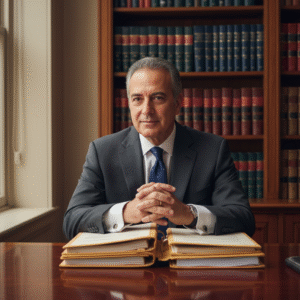


A social security disability attorney is a lawyer who helps claimants pursue federal disability benefits through the Social Security Administration, from the first application through appeals. Current search data shows no significant insights detected beyond existing content trends, which means many people still lack clear, practical explanations of how disability representation actually works.
This guide explains eligibility rules, claim stages, attorney fees, and how to work productively with counsel so that you can make informed decisions about your case. At the end, you will understand when to seek legal help and what to expect from a representative, with additional support available through LegalExperts.AI.
Understanding Social Security Disability and When Legal Help Matters
Social Security disability law brings together medical evidence, work history, and complex federal regulations. Legal representation often improves how information is presented to the Social Security Administration and reduces preventable mistakes that delay or derail claims.
What are SSDI and SSI, and how do they differ?
Social Security Disability Insurance (SSDI) and Supplemental Security Income (SSI) are the two main federal disability programs, and each serves a different group of people. SSDI is an insurance program for workers who have paid Social Security taxes and earned enough work credits, while SSI is a means-tested program for people with very limited income and resources, regardless of work history.
SSDI benefits depend on a claimant’s past earnings and the number of recent work credits. SSDI can also provide auxiliary benefits to certain family members once a claimant is approved. SSI, by contrast, pays a flat federal benefit rate (with possible state supplements), and SSI recipients must stay under strict income and asset limits, which can affect where they live, how much they can save, and what other support they can accept.
Who is considered “disabled” under Social Security rules?
Under Social Security rules, a person is considered disabled only if that person cannot engage in substantial gainful activity because of a medically determinable physical or mental impairment expected to last at least 12 months or result in death. The standard is strict and does not cover short-term or partial disabilities.
Adjudicators use a five-step evaluation process. They review whether a person is working above the substantial gainful activity level, whether documented medical conditions are “severe,” whether any condition meets or equals a listed impairment, whether past work can still be done, and whether any other work exists in significant numbers in the national economy that matches the person’s age, education, and residual functional capacity. A social security disability attorney structures evidence around these steps.
How often are Social Security disability applications denied, and why?
Most first-time disability applications are denied, which can surprise claimants who have serious health problems. According to a 2024 SSA Office of Retirement and Disability Policy statistical report, roughly two-thirds of initial disability claims were denied nationwide, with many approvals occurring only after hearings or appeals.
Common reasons for denial include insufficient medical records, gaps in treatment, working above the substantial gainful activity limit, not following prescribed treatment without a good reason, and evidence that the claimant can still perform past work or adjust to other jobs. Incomplete forms, missed consultative examinations, and inconsistent statements in medical records or work history reports also lead to unfavorable decisions.
How a Social Security Disability Attorney Supports Your Claim
A focused social security disability attorney understands both the regulations and the practical expectations of disability adjudicators. Representation helps turn medical facts and work history into a clear legal theory of why a claimant meets the disability standard.
What does a Social Security disability attorney actually do day-to-day?
Day-to-day work for a Social Security disability attorney centers on gathering information, applying legal rules, and meeting deadlines. The attorney starts by reviewing medical records, work history, prior Social Security decisions, and key dates to evaluate the strength of the claim and identify missing evidence.
The attorney then prepares and files applications, appeals, and written arguments, making sure that forms are consistent and that critical issues such as onset date and severe impairments are clearly defined. Representatives communicate with the Social Security Administration, track requests for information, and respond to agency notices. When a case reaches the hearing stage, an attorney prepares the claimant for testimony, questions medical and vocational experts, and presents closing arguments tailored to the judge’s concerns.
How can an attorney strengthen your medical and vocational evidence?
A social security disability attorney focuses on connecting symptoms and diagnoses to specific work-related limitations. Rather than relying only on raw medical records, the attorney highlights functional limits such as how long the claimant can sit, stand, walk, lift, concentrate, or interact with others.
To support those limits, an attorney requests targeted medical records, specialist evaluations, imaging studies, and detailed treatment notes that show both diagnosis and response to treatment. Attorneys often ask treating providers to complete residual functional capacity questionnaires or narrative letters that explain why a claimant cannot sustain full-time work. When needed, counsel can arrange vocational assessments that analyze whether a claimant’s education, skills, and limitations rule out competitive employment in the national economy.
When might an attorney decline to represent a Social Security disability claimant?
A social security disability attorney may decline representation when the facts or timing make success highly unlikely, or when professional rules would be compromised. Examples include cases where the claimant is working and earning above the substantial gainful activity threshold, has almost no medical treatment or documentation, or insists on pursuing a theory that is clearly unsupported by medical science.
Attorneys may also say no when a deadline is only days away and there is no realistic chance to review the file and submit meaningful evidence, or when there is a history of missed appointments, incomplete paperwork, or dishonesty about work or substance use. Ethical rules also require an attorney to avoid cases where the claimant demands that evidence be hidden or falsified.
Hiring a Social Security Disability Attorney: Timing and Preparation
The timing of legal help and the quality of early preparation can change the course of a disability claim. Early involvement allows a social security disability attorney to shape the record before avoidable mistakes become part of the permanent file.
When should you contact a Social Security disability attorney during the claim process?
The safest time to contact a social security disability attorney is before filing the initial application, especially if the medical picture is complex or work history involves heavy or specialized jobs. Early advice can help choose an appropriate alleged onset date, identify all severe impairments, and avoid statements on forms that undercut the claim.
If a claimant has already applied, contacting an attorney immediately after a denial is equally important. The appeal deadline is generally 60 days from receipt of the notice, and missing that window can force a new application with a later onset date and a possible loss of back benefits. Even after a reconsideration denial, representation before an Administrative Law Judge often provides a critical opportunity to present testimony and updated medical records.
How should you evaluate and compare potential disability attorneys?
Selecting the right social security disability attorney means looking beyond advertising and focusing on experience, focus, and communication. Claimants should ask how much of the attorney’s practice is devoted to Social Security cases, how often the attorney personally appears at hearings, and how many cases are handled each year.
Quality of communication also matters. Prospective clients can ask who will be the main contact at the office, how quickly calls and portal messages are returned, and whether the firm offers language access or accommodations for disabilities. Written fee agreements should be clear about contingency percentages, cost reimbursement, and who will attend the hearing, whether that is the attorney, an associate, or a non-attorney representative.
What key documents should you gather before meeting an attorney?
Preparing specific documents before an initial consultation helps a social security disability attorney evaluate a case efficiently and identify gaps that need attention.
- Medical records, including clinic notes, hospital summaries, imaging reports, lab results, and mental health treatment records
- A list of all treating providers, with addresses, phone numbers, and approximate dates of treatment
- Detailed work history for the past 15 years, including job titles, main duties, hours, lifting requirements, and dates of employment
- Educational history, training certificates, vocational rehabilitation records, and any prior Social Security decisions or correspondence
- A list of current and past medications, dosages, side effects, and any assistive devices such as canes, braces, or CPAP machines
Navigating the Disability Claim, Hearing, and Appeal Process
Social Security disability cases move through defined stages, from initial application to possible federal court review. Understanding what happens at each point helps claimants and attorneys coordinate evidence and avoid missed deadlines.
What happens at the initial application and reconsideration stages?
The initial application can be filed online through SSA.gov, by phone, or at a local Social Security office. The claimant provides personal information, detailed work history, and a complete list of medical conditions, providers, and medications. A state Disability Determination Services agency then gathers records, may schedule consultative examinations, and issues a written decision.
If the claim is denied, the next step is a reconsideration appeal in most states. The claimant or attorney must request reconsideration within the deadline, and a different adjudicator reviews the file. New medical evidence can be added, but many reconsideration decisions still result in denial, which is why many claims proceed to a hearing before an Administrative Law Judge when a claimant continues to pursue the case.
How do disability hearings before an Administrative Law Judge typically proceed?
A disability hearing is less formal than a courtroom trial but still follows a structured process. Hearings may occur in person, by video, or by telephone, depending on Social Security Administration procedures and claimant preference, subject to agency rules. Before the hearing, a social security disability attorney usually submits a written brief outlining the legal theory and key evidence.
At the hearing, the judge introduces the case, places everyone under oath, and confirms the issues. The attorney may give a short opening statement, and then the judge questions the claimant about symptoms, daily activities, work history, and treatment. The attorney can ask follow-up questions to clarify or expand on important points. Vocational experts and, in some cases, medical experts testify about job availability and medical opinions, and the attorney cross-examines these witnesses before giving a closing argument.
What appeal options exist after an unfavorable hearing or Appeals Council decision?
After an unfavorable hearing decision, a claimant can request review by the Appeals Council, which looks at whether the judge made legal or factual errors or whether new and material evidence justifies changing the outcome. The Appeals Council can deny review, grant review and issue its own decision, or remand the case for a new hearing.
If the Appeals Council denies review or issues an unfavorable decision, the next step is filing a civil action in federal district court within the required time limit. Federal judges do not hold new hearings or take new evidence; instead, they review the administrative record to decide whether the Social Security Administration followed the law and relied on substantial evidence. A social security disability attorney can advise whether federal court review is appropriate or whether filing a new application, sometimes combined with a request to reopen earlier periods, makes more sense.
Fees, Costs, and Professional Duties of Disability Attorneys
Understanding how fees and costs work helps claimants hire counsel with confidence. Federal rules strictly regulate what a social security disability attorney can charge for representation in Social Security cases.
How are Social Security disability attorneys compensated under federal fee rules?
Most Social Security disability cases use a contingency fee approved by the Social Security Administration. Under the standard fee agreement process, a social security disability attorney receives 25 percent of the claimant’s past-due benefits, up to a maximum set by federal regulation, which is $7,200 in recent years.
The Social Security Administration usually withholds the fee from the claimant’s back pay and pays the attorney directly after approval, so the claimant does not have to write a separate check. Attorneys do not receive a percentage of future monthly benefits, and they generally do not collect a fee at all if the claim is unsuccessful, although separate agreements for limited consultations or non-Social Security work may operate differently.
What out-of-pocket costs should you expect in a disability case?
Although attorney fees come from back pay only if a case is won, claimants may face certain out-of-pocket costs. Typical case-related expenses include fees that medical providers charge for copies of records, specialized reports, or medical source statements, as well as postage, copying, and sometimes travel expenses for the claimant or witnesses.
Many law offices advance these costs and seek reimbursement only if the case is successful, but practices vary. A written fee agreement should explain whether the client pays costs as they arise or only at the end of the case, and whether reimbursement is expected even if benefits are ultimately denied. Clear communication about costs helps prevent misunderstandings and supports a strong attorney–client relationship.
What ethical and professional obligations does a disability attorney owe you?
Social Security disability attorneys are bound by state bar rules and federal regulations that protect clients. Core obligations include competence, diligence, honesty with the tribunal, and loyalty free from conflicts of interest, along with a duty to keep client information confidential.
Attorneys must keep clients reasonably informed about major developments, consult about key strategic decisions, and obtain informed consent for settlement or withdrawal. They must safeguard client funds in trust accounts, avoid misleading advertising, and refuse to present evidence known to be false. According to a 2023 American Bar Association Center for Professional Responsibility study, clear communication and transparency about case status are among the top factors that influence client satisfaction with legal services.
Practical Guidance and Future Trends in Disability Representation
Social Security disability practice is evolving as technology, remote hearings, and new communication tools reshape how claimants and attorneys work together. These trends create new opportunities for access while requiring careful attention to privacy and fairness.
How is technology changing Social Security disability representation and access to attorneys?
Technology now affects nearly every stage of a disability case, from filing to hearings. Claimants can start applications and track case status through SSA.gov and personal “my Social Security” accounts, while attorneys use electronic portals to upload evidence and review digital case files.
Remote communication has also become standard. Video and telephone hearings, often conducted through platforms similar to Zoom, allow many claimants to attend hearings from home, and electronic signature tools such as DocuSign make it easier to sign fee agreements and medical release forms. According to a 2025 Columbia University Law School Empirical Legal Studies Center study on remote Social Security hearings, represented claimants had approval rates in video hearings that were broadly comparable to in-person hearings, though unrepresented claimants experienced somewhat lower success in remote formats.
These tools can reduce travel time and expand access to specialized attorneys across regions, but they also raise concerns about technical glitches, privacy, and unequal access for people with limited internet or devices. A social security disability attorney can help clients decide whether a remote or in-person format best fits the client’s abilities and circumstances.
How can you communicate effectively with your disability attorney throughout the case?
Effective communication with a social security disability attorney depends on clarity, consistency, and timely responses from both sides. At the start of the relationship, clients should confirm preferred communication channels, whether that is phone calls, email, text messages, or secure client portals.
Clients help their own cases by returning calls promptly, updating contact information, and letting the attorney know about any major changes such as new diagnoses, hospitalizations, work attempts, or changes in symptoms. Written notes or emails that summarize conversations can reduce misunderstandings, and using secure channels recommended by the attorney protects sensitive health and financial information from unnecessary exposure.
What practical tips will help you work effectively with your disability attorney?
Adopting a few steady habits makes collaboration with a social security disability attorney smoother and improves the quality of evidence that reaches the Social Security Administration.
- Respond promptly to calls, emails, and secure portal messages from the attorney’s office
- Keep a running log of symptoms, limitations, flare-ups, and major life changes, and update the attorney about any new treatment, diagnoses, or hospitalizations
- Bring organized notes and questions to in-person or Zoom consultations and use secure tools such as encrypted email or DocuSign when the office requests electronic signatures or document uploads
- Follow legal advice on social media use, work attempts, and any statements made directly to the Social Security Administration
- Keep copies of key documents you send or receive, stored in one place so that you and your attorney can quickly locate them if questions arise
Social Security disability benefits have strict medical and financial rules, and most first-time claims are denied. A focused social security disability attorney can organize strong medical and vocational evidence, meet deadlines, and represent you at each appeal level. Technology such as SSA.gov, secure client portals, Zoom, and DocuSign now shapes how evidence is shared and hearings are held. For guidance on disability representation and related challenges such as Internet Content Removal, LegalExperts.AI provides reliable solutions.