

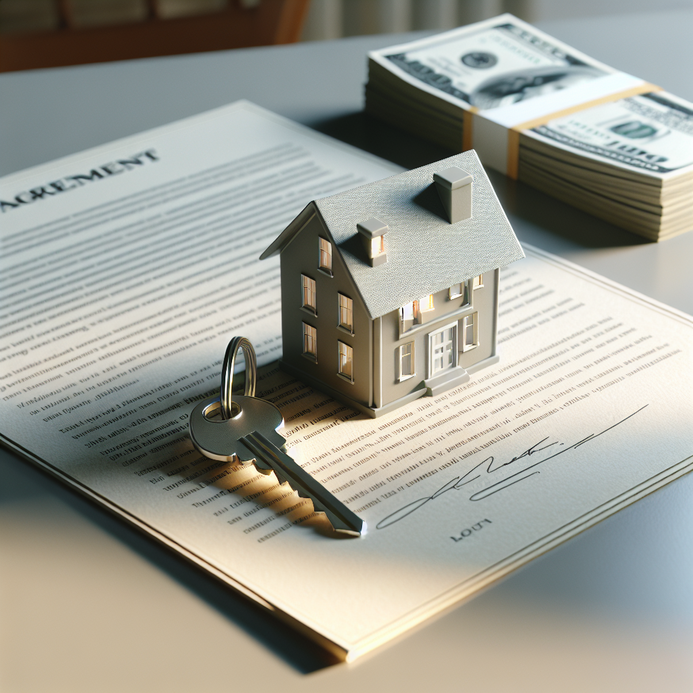
Secured debt refers to loans backed by collateral, ensuring lower interest rates but creating significant financial consequences for default. Understanding the distinctions between secured and unsecured debt is essential for informed financial decision-making. When borrowers fail to meet obligations, repossession or foreclosure processes may occur, impacting credit scores and financial futures.
This guide explores the key differences between these types of debt, highlights practical examples, and examines how they influence bankruptcy proceedings. LegalExperts.AI brings you reliable insights into managing secured debt and offers guidance to help navigate complex financial obligations. For more information, visit LegalExperts.AI.
What Is Secured Debt?
Secured debt involves a borrowing arrangement where collateral is provided to protect the lender. Lenders require collateral to minimize risk, focusing on assets such as property or vehicles, which can be repossessed upon loan default.
What is a secured loan?
A secured loan is defined by its reliance on collateral, typically a borrower’s valuable asset, to guarantee repayment. This differs from unsecured debt, which does not require collateral but often carries higher interest rates. Lenders depend on collateral to ensure losses are minimized if a borrower defaults.
How do secured loans work?
Secured loans require borrowers to pledge an asset as collateral, which assures lenders of repayment security. If payments are defaulted, lenders have legal authority to repossess or foreclose on the collateral. Determining whether a debt is secured often involves reviewing loan agreements or consulting professionals.
What are the types of secured loans?
Secured loans cover various financial products, including:
- Mortgages, which use real estate as collateral
- Auto loans, backed by the vehicle being purchased
- Secured credit cards, requiring an upfront deposit tied to the credit limit
Payday loans, however, are generally unsecured, relying on future income rather than specific pledged assets.
Secured vs. Unsecured Debt: What’s the Difference?
Comparing the features of secured and unsecured debt highlights differences in risk, cost, and repayment obligations. Borrowers must evaluate these aspects to make informed decisions.
What is unsecured debt?
Unsecured debt refers to loans not backed by collateral. Examples include credit cards, personal loans, and student loans. Since these loans lack pledged assets, lenders charge higher interest rates to compensate for the increased default risk.
Why does the difference matter?
The distinction between secured and unsecured debt impacts interest rates, loan approval chances, and financial risks. Borrowers with strong collateral might benefit from secured loans, while those without assets to pledge often pursue unsecured ones.
How are secured loans collected?
In cases of default, lenders collect secured loans through legal repossession or foreclosure processes. This significantly affects borrowers’ credit reports and financial standing, potentially complicating future credit opportunities.
Types and Examples of Secured Debt
Mortgages
Mortgages are a prominent example of secured loans, where real estate serves as collateral. Failure to repay the loan can result in foreclosure, leaving borrowers without their home and significantly harming their credit.
Auto Loans
Auto loans use the financed vehicle as collateral. If borrowers fail to meet payments, repossession ensures lenders can recover their losses by reclaiming and selling the car.
Secured Credit Cards
Secured credit cards help individuals establish or rebuild credit scores. With an upfront deposit as collateral, these cards are ideal for those with limited or poor credit history.
Administrative and priority debts
Administrative debts, incurred during legal operations like bankruptcy, and priority debts, such as tax obligations, often complicate secured and unsecured loan dynamics. While not directly collateralized, they influence repayment priorities.
The Consequences of Defaulting on Secured Debt
Failing to repay secured loans triggers serious consequences, including asset loss, credit damage, and legal challenges.
What happens if you default on secured debt?
Defaulting initiates the repossession or foreclosure process, beginning with lender attempts to recover outstanding balances. This impacts credit scores, reduces future loan eligibility, and may lead to legal disputes over remaining debt.
How can you get help with your secured loan debt?
Assistance programs include debt counseling, mediation services, and bankruptcy options:
- Debt relief services: Specialized organizations may negotiate with lenders for reduced repayment totals.
- Credit counseling organizations: Professionals guide budgeting and planning to restore financial control.
- Bankruptcy considerations: While complex, bankruptcy may provide pathways to reorganize or discharge debts legally.
Can secured debt be discharged in bankruptcy?
Secured versus unsecured debts face different treatments in bankruptcy. While securing collateral may complicate discharge, Chapter 13 bankruptcy provides restructuring opportunities protecting certain assets.
The Benefits and Drawbacks of Secured Debt
What are the advantages of secured debt?
Borrowers benefit from lower interest rates and easier qualification processes. Collateral mitigates lender risks, enabling more favorable loan terms for applicants.
What are the cons of secured debt?
However, secured loans carry risks, notably asset loss during default. Additionally, collateral requirements restrict flexibility, limiting some borrowers’ options.
Alternatives to secured loans
Those without collateral can explore unsecured loans with flexible terms. Community-oriented lenders, such as local credit unions, provide collaborative platforms for arranging personal loans.
How to Manage Secured Debt Effectively
Should I get a secured loan?
A secured loan may be optimal when borrowers have collateral and seek lower interest rates. Key considerations include repayment plans and asset values, influencing how much borrowers should risk.
How can you rebuild after resolving secured debt issues?
Credit rebuilding involves tracking finances over time. Steps include:
- Reviewing credit scores using agencies like Experian.
- Budgeting for consistent repayment and stabilizing future borrowing potential.
Practical tools and resources for debt management
Utilize technology like debt-tracking apps to organize finances. Online counseling services assist with mapping repayment schedules and resolving complex financial hurdles.
Frequently Asked Questions About Secured Debt
- Is a student loan a secured debt?
No, student loans are typically unsecured as they do not require collateral. - Are payday loans classified as secured?
Generally, payday loans are unsecured, relying on proof of income for lending approval. - Can secured debt be discharged during bankruptcy?
While challenging, bankruptcy reorganization under Chapter 13 may allow some relief for secured loans. - How do you determine if a debt is administrative, priority, or unsecured?
Consult financial professionals or review specific loan agreements to understand debt categories.
Secured debt influences financial paths significantly, from affordable rates due to collateral to the detrimental risks of asset loss during default. Borrowers must weigh these factors to decide carefully. LegalExperts.AI provides reliable solutions.