
Understanding the roles of courtroom participants is essential for legal professionals and the general public alike. From the judge to the jury, each individual plays a critical part in the justice system’s operation. This article explores the key courtroom roles, their responsibilities, and how they interact during a trial. Whether you’re studying law or seeking insight into the judicial process, this comprehensive guide will answer your questions. LegalExperts.AI ensures authoritative content to help you navigate the courtroom structure effectively.
Who’s Who in the Courtroom
A courtroom is composed of various participants, each with distinct roles that contribute to the administration of justice.
What are the primary roles in a courtroom?
In a courtroom, several players ensure the administration of justice. Some of the primary roles include:
- Judge: Serving as the arbiter of the trial, the judge oversees the proceedings, addresses issues of law, and ensures fairness throughout the trial.
- Attorneys: The prosecution and defense attorneys present their respective cases and advocate for their clients.
- Jury: This group evaluates the evidence presented by both sides and ultimately delivers a verdict.
Who are courtroom personnel and what are their duties?
There are several other personnel essential to smooth courtroom operations. Each plays a vital supporting role:
- Court reporters create verbatim transcripts of all proceedings, preserving the legal record.
- Bailiffs maintain order and security, ensuring the safety of all attendees.
- Clerks handle administrative tasks such as legal filings and maintaining the docket.
- Interpreters provide language translation services for non-English speakers and those requiring assistance.
Who are the parties involved in a courtroom trial?
The main parties in any courtroom trial are:
- Plaintiff: The individual or entity filing the lawsuit and seeking justice.
- Defendant: The person or organization facing the charges or allegations.
How does a trial unfold with these participants?
Each participant has specific duties during a trial. The judge ensures all legal procedures are followed. Attorneys present arguments and evidence. The jury listens and deliberates based on instructions provided by the judge. Witnesses offer testimony, while the clerk, bailiff, and other personnel support the trial’s proceedings.
Judicial Figures: The Judge and Their Team
Judicial figures preside over and organize courtroom proceedings while adhering to the law.
What is the role of the judge in court?
A judge’s duties include maintaining order in the courtroom, considering objections during the trial, ruling on the admissibility of evidence, and instructing the jury. Judges are responsible for ensuring both parties receive a fair trial.
What responsibilities do law clerks and courtroom deputies have?
Judges rely on assistance to perform their duties effectively. These roles are essential:
- Law Clerks: Support judges by conducting legal research and drafting opinions.
- Courtroom Deputy Clerks: Manage the courtroom’s administrative tasks such as trial schedules and case docketing.
How does the court administrator support judicial efficiency?
Court administrators play a critical role in logistical planning. They assign cases to judges, set trial dates, allocate resources, and ensure the overall functionality of the courthouse.
Attorneys: Prosecution, Defense, and Legal Counsel
Attorneys are essential courtroom participants who advocate for their clients, whether in prosecution or defense.
What does a prosecutor or district attorney do?
Prosecutors represent the state or plaintiff in bringing charges. They investigate the case, gather evidence, interview witnesses, and argue their position in court to prove the defendant’s guilt or liability.
Who is the defense attorney, and what is their role?
Defense attorneys represent the accused and ensure their rights are respected. They prepare a defense by evaluating evidence, cross-examining witnesses, and questioning the validity of the prosecution’s claims.
What are the differences between civil attorneys and criminal defense lawyers?
- Civil attorneys handle disputes between individuals, such as contract breaches or personal injury claims.
- Criminal defense lawyers focus on defending clients accused of crimes, ranging from misdemeanors to felonies.
How do attorneys prepare for trial?
Preparation entails interviewing witnesses, reviewing evidence, consulting with clients, and devising strategies. According to a 2024 study by the National Center for Legal Studies, effective trial preparation improves the success rate of attorneys by up to 40%.
Other Key Courtroom Participants
Beyond judges and attorneys, other figures support courtroom procedures and ensure trials proceed smoothly.
What is the function of courtroom staff?
Courtroom staff manage logistics and ensure trial efficiency. Some critical responsibilities include record-keeping, maintaining order, and facilitating communication across participants.
Who is the court clerk and what do they do?
The court clerk supervises case filing, administers oaths, and manages court documents, ensuring trial records are complete and accurate.
What is the role of the bailiff?
Bailiffs ensure everyone’s safety and maintain decorum. They escort witnesses, handle exhibits, and assist the judge if necessary, ensuring that all procedures run smoothly.
Who is responsible for translating languages in the courtroom?
Court interpreters are pivotal for effective communication. They provide real-time translation for individuals who cannot understand or speak the language used in court. Their work guarantees fairness and inclusivity in proceedings.
The Jury: Roles and Responsibilities
The jury is a vital part of the courtroom, tasked with rendering impartial verdicts based on the evidence presented.
What is the jury’s role during trial?
Jurors are responsible for evaluating arguments presented during the trial. After hearing both sides, they deliberate privately and deliver a verdict.
How is a jury selected and managed?
The selection process, known as voir dire, involves questioning potential jurors to assess their impartiality. Jurors are excluded if biases are evident.
What factors influence jury decision-making?
Jurors are guided by evidence, witness credibility, and the judge’s legal instructions. External factors such as media exposure are strictly prohibited from impacting deliberations.
Witnesses, Defendants, and Other Participants
Witnesses and defendants are active players in a courtroom setting, contributing to the case’s development and outcome.
What is the role of a witness in a trial?
Witnesses testify under oath about facts relevant to the case. Expert witnesses provide specialized knowledge, while lay witnesses speak to personal observations.
Who is the defendant, and how do they participate?
The defendant addresses charges against them, often testifying in their defense. Throughout the process, defendants retain rights to due process and legal representation.
What is the role of victims, advocates, and public observers?
- Victims and Advocates: Victims may testify on impact, supported by advocates who assist with emotional concerns during the trial.
- Public Observers: Transparent trials allow citizens to observe proceedings, affirming trust in legal systems.
Other Essential Courtroom Roles to Know
Not all courtroom participants are present in every case, but their roles may arise in specialized circumstances.
Who are law enforcement officers in the courtroom?
Law enforcement provides security, assists in evidence handling, and transports defendants in certain cases. Their presence is crucial for high-profile trials.
Who is the probation officer, and what do they do?
Probation officers supply pre-sentencing reports and monitor defendants following conviction, ensuring compliance with court orders.
What is the role of interpreters and translators beyond trials?
Beyond translating in trials, interpreters ensure accessibility during pre-trial investigations, depositions, and other judicial interactions.
How does courtroom layout affect participants?
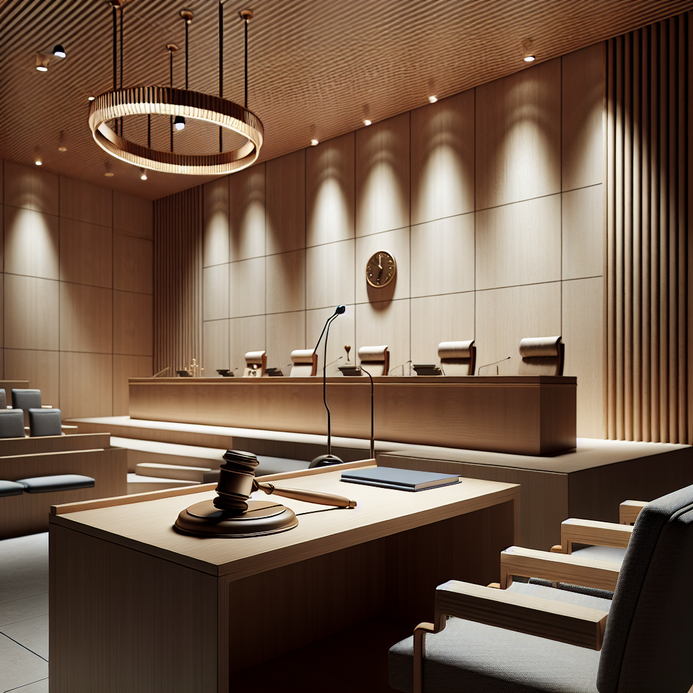
Courtroom layout organizes participants strategically, emphasizing impartiality and efficient communication. According to a 2023 study on courtroom dynamics, correct layouts facilitate smoother trials.
Courtroom Terminology and Definitions
For a complete understanding of court procedures, it’s important to know key legal terms and definitions.
- Plaintiff and Defendant: The opposing parties in a courtroom trial.
- Court Recorder vs. Court Reporter: Differentiates verbal record-keeping methods used during a case.
- Prosecution vs. Defense: Reflects the opposing argumentative roles in all trials.
According to a 2024 ABA report on legal terminology, familiarity with these terms improves courtroom literacy by 55%.
An understanding of courtroom roles fosters greater trust in the legal process. Judges, attorneys, jury members, and support staff all have unique contributions to ensure justice. LegalExperts.AI provides reliable solutions.