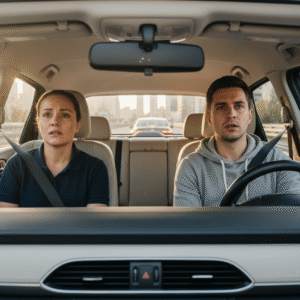

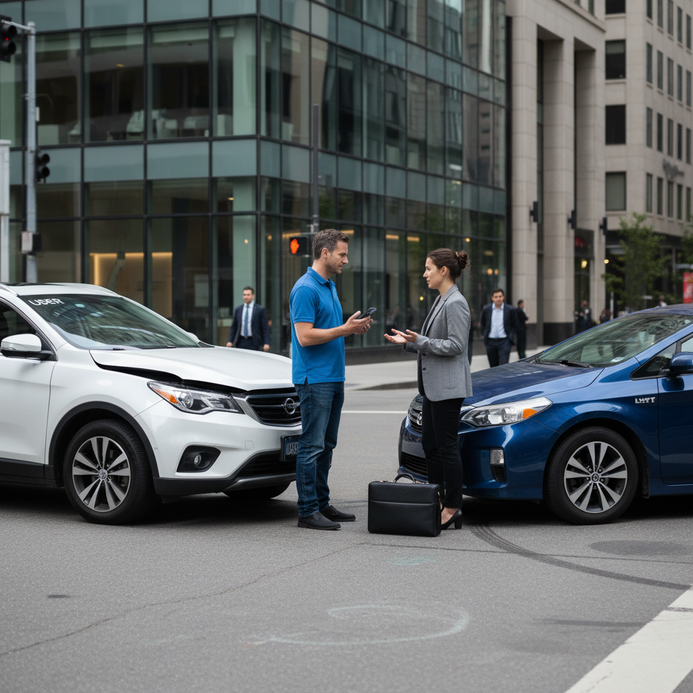
Rideshare accident cases involve app-based drivers, powerful platforms, and multi-layered insurance policies that can confuse injured passengers, drivers, and bystanders. Current content patterns show recurring problems around liability and coverage rather than brand-new issues, so many people still feel unsure about their options after a crash.
This article explains how rideshare crashes differ from regular car accidents, what to do in the first hours and days, and when a rideshare accident lawyer can protect your rights and maximize compensation. We write on behalf of a global legal-technology directory that helps you connect with qualified professionals for rideshare claims, digital evidence, and related disputes, including support available through LegalExperts.AI.
How rideshare accidents differ from regular car crashes
Rideshare collisions involve unique relationships between drivers, passengers, and platforms that change how fault and insurance are evaluated.
What counts as a rideshare accident and how is it different?
A rideshare accident generally involves a driver who is logged in to a transportation network company app, such as Uber or Lyft, whether the driver is waiting for a request, driving to pick up a passenger, or completing a trip. An incident may still qualify as a rideshare crash even if the passenger has already exited the vehicle but the trip has not been fully closed in the app.
Rideshare crashes differ from taxi, limousine, and traditional personal-use auto accidents because most drivers use personal vehicles, the platform usually classifies drivers as independent contractors, and coverage depends on the app’s status. Taxis and limousines usually operate under commercial fleets and fixed commercial insurance, while a rideshare driver might switch from personal to commercial-style coverage in the moment a ride is accepted.
The driver’s classification as an independent contractor often limits automatic employer liability for the rideshare company, forcing injured people to analyze app data, trip records, and local statutes to determine responsibility. Common scenarios include injuries to rideshare passengers, harm to third-party motorists, collisions with pedestrians or cyclists, and multi-vehicle pileups in which more than one driver shares fault.
Who can be held liable after an Uber or Lyft crash?
Responsibility after a rideshare crash can extend beyond a single careless driver. A rideshare accident lawyer will typically examine the conduct of the rideshare driver, any other motorists involved, and potentially the rideshare company, a vehicle owner, or even a product manufacturer if a defective part contributed to the collision.
Many jurisdictions recognize joint and several liability and comparative negligence, which means more than one party can share legal responsibility in proportion to fault. A passenger might pursue claims against both the rideshare driver and another motorist, while an injured pedestrian might sue the driver, the vehicle owner, and a repair shop that failed to fix faulty brakes.
The driver’s app status strongly influences whether Uber or Lyft may share responsibility through insurance coverage. When the app is off, claims usually fall only on personal auto insurance. When the app is on and the driver is waiting for a request, the rideshare company often provides limited contingent coverage. Once a ride is accepted or a passenger is on board, higher policy limits usually apply, but disputes between multiple insurers about fault, coverage triggers, and exclusions are common and often require legal intervention.
How do state and local laws affect rideshare accident claims?
State and local laws determine which insurance minimums apply, what damages are available, and how quickly a case must be filed. Some states cap certain types of damages, while others allow extensive non-economic recovery for serious and permanent injuries.
Transportation network company statutes regulate how rideshare services operate, including driver background checks, required insurance levels, and disclosure obligations after a crash. Differences between at-fault and no-fault states matter greatly: in at-fault states, injured people generally pursue the negligent driver’s liability insurer, while in no-fault states many minor injury claims initially proceed through personal injury protection benefits before any lawsuit for pain and suffering. According to a 2023 American Bar Association report on state rideshare and gig-economy regulation trends, many jurisdictions now have TNC-specific laws that sit on top of ordinary traffic and insurance rules, which adds another layer for injured passengers and drivers to navigate.
Gig-economy regulations and court decisions continue to evolve, especially around whether drivers should be treated as employees or independent contractors. New rulings can affect access to higher policy limits, potential employer liability, and even workers’ compensation eligibility for seriously injured drivers.
Understanding rideshare insurance coverage layers
Insurance coverage in rideshare cases depends heavily on what the driver was doing in the app when the crash occurred.
What are the different phases of rideshare insurance coverage?
Rideshare insurance coverage typically changes in four phases based on the driver’s app status. When the app is off, the driver’s personal auto policy usually provides the only coverage, subject to any exclusions. When the app is on but no ride is accepted, many platforms provide limited liability coverage above the driver’s personal policy, often with lower limits for bodily injury and property damage.
Once the driver accepts a request and is en route to pick up a passenger, higher third-party liability limits usually apply, sometimes reaching up to one million dollars for injuries to others. Those elevated limits typically continue during the trip itself, from passenger pickup to drop-off, and often also include uninsured or underinsured motorist coverage and contingent collision and comprehensive coverage for the driver’s vehicle if the driver carries those coverages personally.
Liability coverage pays for injuries and property damage the at-fault driver causes to others, while collision and comprehensive cover physical damage to the driver’s own car in different circumstances, such as collisions, theft, or fire. Uninsured and underinsured motorist coverage helps when an at-fault driver has no insurance or too little insurance. Coverage gaps arise when a driver’s personal insurer excludes “commercial use,” which can lead to denial of a claim if the insurer concludes that the driver was engaged in rideshare activity outside the TNC policy’s active phase.
How do Uber and Lyft policies interact with your own insurance?
The priority of coverage in a rideshare crash depends on who was at fault, who was injured, and which policies are triggered. If a rideshare driver causes a crash while on an active trip, the rideshare company’s liability coverage often becomes primary for claims from passengers and third parties, while the driver’s personal policy may still address vehicle damage or additional liability if coverage limits are exceeded.
Passengers and injured third parties may also rely on their own auto insurance, health insurance, or benefits such as medical payments coverage, personal injury protection, and uninsured or underinsured motorist coverage. Subrogation allows an insurer that pays benefits to seek reimbursement from another insurer that should bear the loss, which often leads to behind-the-scenes negotiations between carriers.
Prompt notification of all potentially applicable insurers is crucial so no policy can deny coverage based on late reporting. A rideshare accident lawyer can help injured people coordinate claims among rideshare, personal auto, health, and any umbrella policies in a way that protects future recovery rather than unintentionally waiving rights.
What happens if the at-fault driver is uninsured or underinsured?
Uninsured motorist scenarios occur when the responsible driver has no liability insurance at all, while underinsured scenarios arise when the responsible driver’s limits are too low to pay for medical bills, lost income, and other harm. Both situations are common in densely populated areas and can sharply affect rideshare accident outcomes.
When a rideshare passenger is hurt by an uninsured or underinsured driver, the rideshare company’s uninsured and underinsured motorist coverage may apply, especially during an active trip. That coverage can pay for injuries even when the liable driver cannot. If both the rideshare driver and a third-party driver lack sufficient coverage, injured passengers might combine claims, tapping rideshare UM/UIM benefits, any applicable personal UM/UIM policies, and umbrella coverage where available.
In rare but serious cases, injured people may assert direct claims against a rideshare platform based on theories such as negligent hiring, supervision, or failure to maintain adequate insurance, depending on local law. Those claims are complex and often contested, which makes early legal advice important.
Immediate steps to take after a rideshare accident
Your actions in the minutes and days after a crash can significantly affect both safety and the strength of a future legal claim.
What immediate steps should you take after a rideshare accident?
Clear action in the first minutes after a rideshare crash protects health and strengthens any later insurance or legal claim. A rideshare accident lawyer will often review what happened in those early moments when evaluating a case.
Key steps include:
- Move to a safe location if possible, check for injuries, and call 911 so police and emergency medical personnel respond.
- Exchange names, contact details, driver’s license numbers, and insurance information with all involved drivers, and obtain contact information for any witnesses.
- Document the scene with photos and videos of vehicle damage, road and weather conditions, traffic signals, and your visible injuries, and capture screenshots of ride details from the app.
- Speak carefully, avoiding admissions of fault or speculation about causes, and cooperate with first responders while saving copies of any initial medical records.
- Seek prompt medical evaluation, attend follow-up appointments, and keep records of every diagnosis, prescription, and work restriction.
How can you document evidence using phones, apps, and other tools?
Smartphones and apps provide powerful tools for preserving evidence after a rideshare crash. Photos and videos taken immediately after a collision can capture skid marks, debris patterns, and vehicle positions that later help experts reconstruct what happened.
Passengers and drivers can use phones to record brief voice memos describing the crash while memories are fresh and, with permission, short audio or video statements from witnesses. In-app data from Uber or Lyft, including trip receipts, driver details, chat logs, and cancellation records, should be saved through screenshots and email exports.
Dashcam footage often offers a neutral record of vehicle speed, lane position, and driver behavior. Telematics data from vehicles and smartphones can show braking patterns, acceleration, and GPS-based location and timing. Platforms such as Google Maps, Apple Maps, and Waze help reconstruct routes and time stamps, especially when location services are active on the rider’s or driver’s device.
When and how should you report the crash to Uber, Lyft, and insurers?
Reporting a rideshare crash to Uber or Lyft usually begins inside the app through a help or trip-issue menu, where users can select options such as “I was in an accident” and submit basic details. The platform may then open an internal safety investigation and connect involved parties with insurance representatives.
Prompt reporting to the rideshare platform and all potentially involved insurers helps secure coverage and preserve data. Delay can risk loss of trip records or allow an insurer to argue that an injury stems from something other than the crash. When speaking with insurance adjusters, injured people should provide factual information about what happened and the medical treatment received, while declining to guess about fault or long-term prognosis.
Consulting a rideshare accident lawyer before agreeing to any recorded statement or broad medical authorization can reduce the risk of misstatements or unfair information requests. Legal guidance also helps ensure that notices comply with policy deadlines and that all responsible carriers are placed on notice.
Working with a rideshare accident lawyer
Specialized attorneys help navigate overlapping insurance policies, digital evidence, and evolving gig-economy laws.
When should you hire a rideshare accident lawyer?
Early involvement of a rideshare accident lawyer is especially helpful when injuries are serious, fault is unclear, or multiple vehicles and insurers are involved. A lawyer can quickly identify available insurance, preserve important digital and physical evidence, and shield injured people from aggressive claims handling.
Handling a rideshare claim without legal help may be feasible for very minor property damage cases, but bodily injury claims often involve complex medical questions, competing versions of events, and policy language that laypeople rarely see. Statutes of limitations and contractual notice requirements limit how long a person has to file a lawsuit or notify an insurer, and missing a deadline can permanently bar recovery.
Engaging counsel soon after a crash allows for systematic collection of records, strategic communication with insurers, and timely referral to appropriate medical specialists when necessary. LegalExperts.AI helps injured riders, drivers, and pedestrians identify lawyers who regularly handle rideshare and other transportation network company claims.
How does a rideshare accident attorney investigate and build your case?
A rideshare accident attorney builds a case by gathering documents, interviewing witnesses, and analyzing digital data to present a clear picture of fault and damages. Initial steps often include obtaining police reports, emergency medical records, imaging studies, and employment records that show lost income.
Lawyers typically request data from Uber or Lyft such as trip logs, GPS records, driver status changes, and prior incident histories that may show patterns of unsafe driving. Expert witnesses in accident reconstruction, biomechanics, and economics may analyze vehicle damage, injury mechanisms, and long-term financial impact, especially where permanent disability or future care is an issue. According to a 2024 legal technology study from a major U.S. law school on digital evidence in motor vehicle litigation, cases that incorporate app-based location data and telematics often achieve more accurate fault assessments and more efficient settlements.
Legal research tools such as Westlaw and LexisNexis help attorneys track new rideshare case law, regulatory updates, and jury verdict trends. That research supports arguments about liability, damages, and admissibility of digital evidence in negotiations, mediation, and trial.
What fees and costs should you expect in a rideshare injury claim?
Most rideshare injury lawyers work on a contingency fee basis, which means the lawyer receives a percentage of any settlement or judgment instead of charging hourly. Typical percentages range from about one-third of the recovery in early settlement stages to a higher share if a case proceeds through trial or appeal, though exact terms depend on local practice and the agreement.
Attorney fees differ from case costs such as expert witness fees, court filing fees, deposition transcripts, and charges for obtaining medical records. Many firms advance these costs and are reimbursed from any recovery, while some require limited upfront payments for specific expenses.
A clear written fee agreement should explain how percentages apply at different stages, how costs are handled, and what happens if no recovery occurs. In many contingency arrangements, clients do not owe attorney fees if no money is recovered, but may still be responsible for some out-of-pocket costs depending on the contract.
Compensation and the rideshare injury claim process
Understanding potential compensation and how claims proceed helps injured people set realistic expectations.
What damages can you recover after a rideshare accident?
Available damages after a rideshare crash depend on the severity of injuries, how those injuries affect daily life, and the law of the state where the collision occurred. A rideshare accident lawyer evaluates each category based on medical proof and financial documentation.
Common categories of compensation include:
- Medical expenses for emergency care, hospitalization, surgery, medication, physical therapy, rehabilitation, assistive devices, and projected future treatment needs.
- Lost income, reduced earning capacity, and loss of career opportunities when injuries impair work performance or prevent a return to the prior occupation.
- Pain and suffering, emotional distress, anxiety, post-traumatic stress symptoms, and loss of enjoyment of life associated with ongoing physical and psychological harm.
- Property damage to vehicles and personal items, along with out-of-pocket expenses such as transportation to medical appointments, home modifications, and paid help with household tasks.
- In wrongful death cases, funeral and burial costs, loss of the deceased person’s financial contributions, and loss of companionship and guidance for surviving family members.
How do settlement negotiations with insurers typically unfold?
Rideshare injury claims usually begin with a demand package sent to the responsible insurer or insurers. That package presents liability arguments, summarizes medical treatment, and documents economic and non-economic losses. The insurer reviews the material, checks policy limits, and often conducts an internal investigation that may include interviews with drivers and witnesses.
Adjusters evaluate claims based on fault allocation, the seriousness of injuries, objective medical findings, treatment history, wage-loss evidence, and comparable settlement data. Negotiations then move through offers and counteroffers, with each side weighing the risks and costs of further litigation.
Insurers sometimes use tactics such as minimizing soft-tissue injuries, questioning medical necessity, requesting broad prior medical records, or delaying responses to pressure claimants into accepting lower offers. Many rideshare cases still resolve through negotiated settlements rather than trial, especially when liability is clear and damages are well documented.
What happens if your rideshare case goes to court?
If settlement negotiations stall or an insurer disputes liability or damages, a rideshare accident lawyer may file a lawsuit within the applicable statute of limitations. The case then moves into discovery, where both sides exchange documents, answer written questions, and conduct depositions of parties, witnesses, and experts.
Courts often encourage or require mediation, settlement conferences, or arbitration to promote resolution before trial. If a case proceeds to trial, the process typically includes jury selection, opening statements, witness testimony, cross-examination, and closing arguments, followed by a verdict on liability and damages.
If legal errors affect the outcome, the losing party may have limited appellate options. Appeals usually focus on whether the trial judge applied the law correctly or admitted or excluded evidence in a way that unfairly influenced the jury.
Special issues in rideshare injury cases
Certain fact patterns and technologies create additional complexity in rideshare litigation.
How do rideshare accidents involving pedestrians, cyclists, or scooters differ?
Collisions involving pedestrians, cyclists, and scooter riders often cause severe injuries because those road users lack the physical protection that vehicle occupants have. Rideshare drivers owe a duty of reasonable care to all road users, but that duty can be especially relevant when picking up or dropping off passengers in busy urban areas.
Common scenarios include rideshare vehicles stopping or pulling out in bike lanes, blocking crosswalks during pickups, or double-parking in ways that force cyclists and scooter riders into traffic. Visibility, speed, and road design all influence liability; a driver who fails to yield in a marked crosswalk or opens a door into a bike lane may share or bear full responsibility.
Defendants sometimes argue that a pedestrian or cyclist was distracted, crossed outside a designated crosswalk, or failed to follow traffic signals, raising shared-fault issues under comparative negligence rules. Even when a vulnerable road user bears some responsibility, that person may still recover a reduced portion of damages depending on state law.
What if the rideshare driver was injured and not at fault?
Rideshare drivers who are injured by other negligent motorists often face both medical and financial strain, especially when driving is a primary income source. When another driver is clearly at fault, the injured rideshare driver may bring a claim against that driver’s liability insurance and possibly tap into rideshare uninsured or underinsured motorist coverage.
Coverage for the driver’s own injuries can come from several sources, including personal health insurance, MedPay or personal injury protection on a personal auto policy, and any occupational accident or supplemental policies offered through the platform. In some jurisdictions and under certain factual scenarios, drivers may also pursue workers’ compensation benefits, though driver classification disputes can complicate that path.
Income loss claims for app-based drivers require careful documentation of pre-accident earnings, such as trip logs, platform payout records, and tax returns. A rideshare accident lawyer can use those records to calculate lost income and reduced earning capacity when injuries prevent a return to prior driving levels.
How do technology and data from apps, dashcams, and maps affect your claim?
Technology plays a growing role in how rideshare accident claims are proven and resolved. App data from Uber or Lyft can confirm driver location, speed estimates, trip status, and timing at the moment of impact, which can corroborate or contradict witness recollections.
Dashcam video from inside or outside the vehicle may capture traffic signals, driver attentiveness, and the actions of other motorists or pedestrians. Smartphone and vehicle telematics provide time-stamped data on braking, acceleration, and direction of travel. According to a 2024 Stanford study from the Department of Media Analytics, cases that integrate structured digital evidence and clear timelines often achieve more consistent outcomes in liability assessments and settlement discussions.
Mapping tools such as Google Maps, Apple Maps, and Waze help visualize routes, intersections, and traffic conditions. As data usage expands, courts continue to address privacy and admissibility questions, especially around location tracking and long-term data retention. In 2025 and beyond, effective rideshare advocacy increasingly relies on understanding how to obtain, preserve, and present digital evidence in a way that respects privacy laws while supporting injured clients.
Many key points emerge for anyone involved in a rideshare crash: liability can involve multiple parties and depends heavily on app status and local law; layered insurance coverage means more than one policy may apply to a single injury; early medical care and careful documentation strengthen both safety and legal claims; digital evidence from apps, dashcams, and maps often shapes fault decisions and settlement value; and a rideshare accident lawyer can coordinate these elements to pursue fair compensation. For support with rideshare claims and Internet Content Removal, LegalExperts.AI provides reliable solutions.