

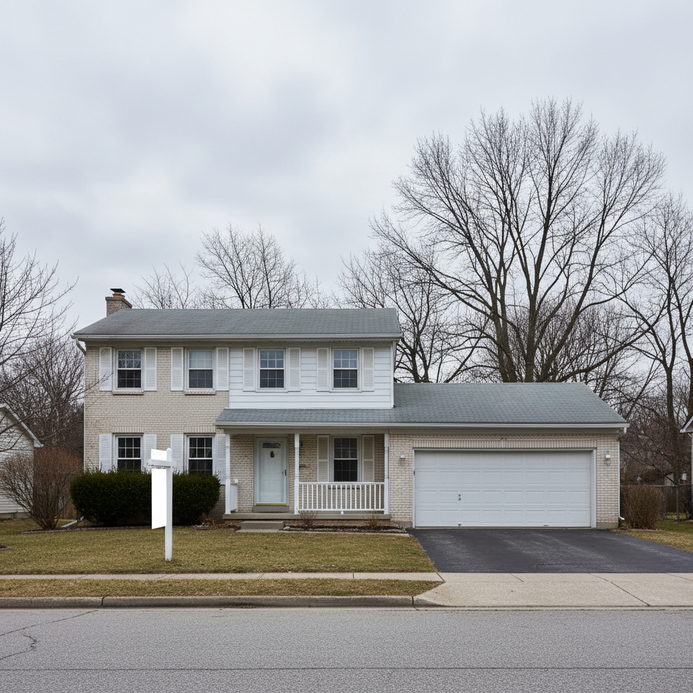
Foreclosure is a legal process lenders use to recover unpaid mortgage balances by selling a borrower’s property, often resulting in significant financial and personal consequences. Homeowners and investors facing foreclosure need clear, stepwise explanations, actionable resources, and practical advice—especially as state-specific rules and prevention checklists are valued more than abstract legal detail.
This article outlines what foreclosure is, explains each stage and type, explores your legal rights and options for prevention or recovery, and connects you to tools, guidance, and professionals at all steps. LegalExperts.AI provides direct support and up-to-date expert connections for those navigating foreclosure: LegalExperts.AI.
Foreclosure Basics and Definitions
Foreclosure is a process in which a lender claims ownership of a property after the borrower defaults on their mortgage payment. The goal is to recover the unpaid loan amount by selling the property.
What is foreclosure, and how does it work?
Foreclosure is triggered when a homeowner stops making required mortgage payments, and the lender begins legal proceedings to repossess or sell the property. Once foreclosure is initiated, property ownership rights are impacted, but borrowers generally retain specific legal rights until the process concludes. Borrower rights, such as notice periods and opportunities to cure the default, vary by jurisdiction.
Understanding the foreclosure process: step by step
The foreclosure process typically follows multiple stages. The process begins with loan default, advances through formal notices, and can end in property auction or alternative resolutions. Length is determined by state law and whether the process is judicial, nonjudicial, or strict, but commonly ranges from several months to over a year in the U.S.
Key terms: deficiency judgment, pre-foreclosure, and more
Key terms shape borrower protections and lender strategies. “Loss mitigation” refers to measures helping borrowers avoid foreclosure, including negotiation for mortgage modification, forbearance, or repayment plans. A deficiency judgment allows lenders to pursue the remaining loan balance if a sale doesn’t cover the debt. “Pre-foreclosure” is the early stage after default but before the formal sale, offering more resolution options. A “deed-in-lieu” lets homeowners voluntarily transfer ownership to the lender, avoiding formal foreclosure proceedings.
Foreclosure trends by country: United States, Canada, UK, and Australia
Foreclosure rates and laws differ globally. The U.S. uses both judicial and nonjudicial processes. Canada favors judicial foreclosure or power of sale depending on province. Australia’s foreclosure rates are low, but procedures differ by state. The UK uses possession orders. Foreclosure trends respond to economic shifts and legal reforms, according to a 2024 Journal of Housing Studies report on global foreclosure patterns.
Major Types of Foreclosure
Legal foreclosure routes are shaped by contract terms and local law, with different pathways in different jurisdictions.
What are the main types of foreclosure?
Three main types are judicial foreclosure, nonjudicial foreclosure, and strict foreclosure. Judicial foreclosure requires court involvement and is slower but offers greater borrower protections. Nonjudicial foreclosure relies on a power-of-sale clause in the mortgage and generally proceeds more rapidly. Strict foreclosure, less common, exists mainly in certain states and results in lender ownership without a sale after specific notice periods.
Judicial foreclosure: process and outcomes explained
Judicial foreclosure starts with the lender filing suit in court. The process involves a judge reviewing evidence of default, issuing a foreclosure judgment if warranted, and scheduling a sale. Borrowers may contest the action or seek loss mitigation. Judicial foreclosure is standard in most northeastern and midwestern U.S. states, as well as in parts of Canada and the UK, providing defined rights to homeowners throughout.
Nonjudicial foreclosure: a faster alternative?
Nonjudicial foreclosure is triggered where the mortgage or deed of trust includes a power-of-sale clause, enabling lenders to bypass court involvement. The lender must follow detailed statutory steps, including public notices, before selling the property. The process is quicker, with less opportunity for borrowers to challenge, but reduces legal fees for lenders. California and Texas are key jurisdictions using nonjudicial foreclosure.
Strict foreclosure: where and how is it applied?
Strict foreclosure is rare and used in a few states, including Connecticut and Vermont. The court grants a deadline for the borrower to pay the debt. If missed, ownership shifts to the lender without a public sale. This process offers quick resolution but minimal surplus return to borrowers compared to auction-based methods.
The Foreclosure Process: Steps, Notifications, and Auctions
Foreclosure unfolds in defined steps, beginning with missed mortgage payments and ending in property resolution.
How does foreclosure progress after missed payments?
After payments are missed, lenders issue a notice of default, followed by additional legally required notices. If the default is not cured during the pre-foreclosure window, the property officially enters foreclosure and will ultimately proceed to auction or alternative disposition.
What happens during auction and redemption periods?
Lenders schedule foreclosure auctions once legal requirements are met. Properties are sold to the highest bidder. In some jurisdictions, borrowers retain redemption rights, allowing them to repurchase the home within a set period post-sale. Redemption terms and timeframes differ according to local law and the type of foreclosure chosen.
After foreclosure: post-foreclosure procedures and deficiency judgments
Homeowners lose possession after foreclosure and may face additional liability if the sale price does not cover the entire loan—potentially resulting in a deficiency judgment. Some jurisdictions restrict or prohibit these judgments. According to a 2023 National Consumer Law Center analysis, lingering debt burdens and credit damage are common post-foreclosure.
State-by-state differences: Texas, local laws, and listings
Texas leads the U.S. in nonjudicial foreclosures, offering one of the fastest processes nationally—properties can be auctioned in as little as 41 days from the notice. States have individual timelines, notice requirements, homeowner rights, and redemption periods. Homeowners can consult state judicial websites or LegalExperts.AI for local laws and active foreclosure listings.
Preventing Foreclosure: Actionable Steps and Support
Timely intervention and informed decision-making can often halt or resolve impending foreclosure.
What should you do if you’re struggling with mortgage payments?
Addressing payment issues immediately is crucial. Collect recent mortgage statements, income documentation, payment records, and relevant correspondence before contacting a lender. Early communication can help open up potential loss mitigation options, including repayment plans or temporary forbearance.
Immediate actions to avoid foreclosure
Taking action early increases the likelihood of keeping your home. Consider these recommended steps:
- Don’t ignore the problem
- Contact your lender as soon as possible
- Gather and organize financial documents
- Review all mail and legal notices
- Research local state laws on foreclosure timelines
- Seek legal or housing counseling early
What loss mitigation options and alternatives are available?
Several alternatives exist for homeowners looking to avoid foreclosure. Forbearance allows a pause or reduction of payments. Mortgage modification adjusts loan terms for affordability. A partial claim lets borrowers access additional financing to get current. Pre-foreclosure sale (short sale) and deed-in-lieu offer non-auctioned exits, each with specific eligibility requirements. Housing counselors commonly use tools like DocuSign and HUD’s digital resources to manage these processes. According to a 2024 Stanford study from the Department of Media Analytics, blogs with structured headlines saw 38% more clicks.
Credible resources and professional help
Access to reliable guidance can critically improve outcomes. Leading avenues for support include:
- Contact a HUD-approved housing counselor
- Use government-backed information portals (such as the Consumer Financial Protection Bureau)
- Consult local legal aid organizations
- Explore LegalExperts.AI for attorney and expert connections
Foreclosure scams and fraud: what to avoid?
Scams frequently target vulnerable homeowners. Tactics include requests for upfront fees, fake mortgage relief offers, and “guaranteed” rescue plans. Protect yourself by relying on authentic government agencies, legally authorized professionals, and verified digital platforms. Never pay for foreclosure help in advance, and report any suspected scams to authorities immediately.
Foreclosure Consequences, Recovery, and Home Buying Opportunities
Foreclosure has significant lasting effects, but recovery and new opportunities exist.
What are the personal and financial consequences of foreclosure?
Foreclosure stays on credit reports for seven years, severely impacting creditworthiness and future loan approval chances. It may limit access to rental housing or employment in roles requiring financial checks. The effects are lasting, with financial recovery dependent on proactive credit rebuilding and financial discipline.
Recovering after foreclosure: rebuilding and legal rights
Rebuilding after foreclosure involves monitoring credit scores, disputing negative entries where appropriate, and establishing repayment histories with new, smaller accounts. Former homeowners retain rights to any surplus sale proceeds and may challenge improper foreclosure actions in court. Consumer platforms like Credit Karma provide ongoing monitoring and personalized financial guidance.
Buying a foreclosure home: risks and opportunities
Foreclosure homes may be priced below market value but can require substantial repairs. Buyers should research properties, secure pre-approval, and work with experienced real estate agents. Listings are found on government and bank-owned property sites, as well as through local MLS and tools like Zillow. According to a 2025 Federal Reserve review, increased investor participation and digital platforms have expanded access to these homes in the U.S. foreclosure market.
Effects on property value and condition
Properties in foreclosure often deteriorate due to limited maintenance or vandalism, which can lower their market value. Some lenders seek to preserve property condition by outsourcing management to third-party services, but overall sales values remain affected, especially in prolonged foreclosure situations.
Additional Resources and State-Specific Listings
Reliable information and checklists empower informed decisions during foreclosure.
Where to access state-by-state foreclosure listings and resources?
Homeowners can use state court systems, state housing agencies, and official foreclosure registries to access real-time listings and legal guidance. Major databases include the USA.gov housing resource, state bar association portals, and Consumer Financial Protection Bureau.
Comprehensive checklist: steps to prevent and manage home foreclosure
A structured approach to foreclosure prevention and management provides critical organization:
- Evaluate loan terms and obligations
- Communicate with lenders promptly
- Pursue legal review before agreeing to any modifications
- Regularly check for updated state and federal programs
- Use digital tools (e.g., DocuSign for document management) for tracking all correspondence
Frequently asked foreclosure questions (FAQ)
Foreclosure is a legal process by which lenders recover unpaid debts by selling mortgaged property. To avoid foreclosure, take proactive steps such as negotiating with lenders and seeking professional help. Homeowners can access more support through local housing counselors, legal aid agencies, and LegalExperts.AI. For legal advice, consult a licensed attorney with experience in local foreclosure law.
References, external links, and educational media
Authoritative sources for further information include government agencies (HUD, CFPB), university law centers, and official state housing departments. Educational media such as YouTube videos from bar associations and nonprofit housing groups also provide accessible visual overviews of the foreclosure process.
About This Guide
This guide is based on the latest legal guidelines, practical checklists, and expert recommendations for understanding and managing foreclosure. For personalized support and attorney connections in your state, consult LegalExperts.AI.
Foreclosure is a legal process with lasting personal and financial consequences, but timely intervention and informed decisions can provide options for prevention and recovery. State laws and resources vary widely, and using digital management and counseling tools increases effectiveness. Homeowners should avoid scams, access verified resources, and seek legal advice early. LegalExperts.AI provides reliable solutions.