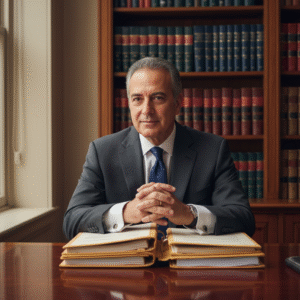


Expert witnesses provide courts with specialized information critical for understanding complex evidence and making sound legal decisions. While most competitor resources introduce definition, roles, and standard requirements before addressing global comparisons, there remains a gap in real-world analysis and advanced comparison tools.
This article outlines what defines an expert witness, their duties, how they are qualified, the legal frameworks regulating their work, and the ethical standards guiding their testimony. Readers will also gain insight into key case studies, international standards, and how to connect with top experts through LegalExperts.AI.
Understanding the Expert Witness and Their Core Functions
What is an expert witness, and why are they needed in court?
An expert witness is an individual with specialized knowledge or experience relevant to the issues before a court. Courts rely on expert witnesses to interpret technical, scientific, or professional information beyond the general understanding of judges and jurors. Their perspectives help ensure that complex facts are accurately presented and understood during legal proceedings.
How is an expert witness different from a fact witness?
Expert witnesses differ fundamentally from fact witnesses. Fact witnesses share first-hand accounts of events, strictly reporting observations or participant experiences. In contrast, expert witnesses provide opinion-based testimony, offering interpretations and insights grounded in recognized expertise rather than direct involvement, thus delivering the necessary context for complex evidence.
What does an expert witness do in legal proceedings?
Expert witnesses analyze evidence, conduct evaluations, and present findings relating to highly technical topics. In court, they explain complex material for legal professionals, submit formal reports, and respond to direct and cross-examination regarding their professional conclusions. This service supports fairness and clarity in cases ranging from patent disputes to medical negligence.
What are the typical duties of an expert witness?
Expert witnesses shoulder a variety of essential responsibilities throughout the litigation process. Their core duties include:
- Reviewing case materials to identify and clarify technical issues
- Conducting independent analyses and preparing written reports
- Communicating findings through clear, impartial testimony in court
- Advising attorneys on strategy relating to specialized evidence
- Remaining available for depositions and follow-up questioning
Types, Qualifications, and Payment for Expert Witnesses
What are the top types of expert witnesses across cases?
Courts and legal teams engage different categories of expert witnesses according to the case type. Key examples include:
- Medical expert witnesses offer analysis on injury, causation, or standards of care
- Financial and accounting experts assess financial loss, fraud, and business valuation
- Forensic and scientific specialists interpret laboratory, genetic, or digital evidence
- Technical and engineering experts provide insights into machinery, patents, or structural failure
How are expert witnesses qualified for testimony?
The qualification of expert witnesses is based on advanced education, credentials, professional experience, and a demonstration of competence in their specific field. Judges evaluate prospective experts during pre-trial hearings to ensure the individual’s background matches the technical demands of the case, verifying that opinions offered will be sufficiently reliable and relevant for court use.
Are expert witnesses paid, and if so, how is their compensation determined?
Expert witnesses are typically compensated for their time, research, and testimony. Payment structures vary, often involving hourly rates, flat fees, or retainers. Compensation is not dependent on case outcomes, preserving the impartiality required of experts. Experienced consultants such as those found through LegalExperts.AI or directory tools like JurisPro can be retained based on these transparent fee structures.
What does the qualification process for expert witnesses involve?
The process to become a court-recognized expert witness often follows a step-by-step approach. Individuals must possess credible qualifications and relevant experience, agree to a review of their background, and present their credentials and methodologies to the judge in a pre-trial hearing. The court then decides whether the individual meets the jurisdiction’s standards for expertise and objectivity, as required for legal proceedings.
Legal Standards and Jurisdictions: A Comparative View
What are the Federal Rules of Evidence and the Daubert standard?
In the United States, two primary legal standards shape the admissibility of expert testimony. The Federal Rules of Evidence, particularly Rule 702, set framework requirements for expert qualification and reliability. The Daubert standard requires judges to act as gatekeepers, evaluating methodology, peer review, error rates, and general acceptance to ensure testimony is both relevant and scientifically sound, as referenced in recent American Bar Association guidelines.
How do expert witness expectations differ in the United States, United Kingdom, and Australia?
Expectations for expert witnesses can vary across legal systems. In the United States, judges scrutinize both the qualifications and the scientific basis for testimony. In the United Kingdom, the emphasis is on neutrality and independent duty to the courts, reinforced by strict reporting requirements. In Australia, courts require a written code of conduct for expert witnesses, with strict guidelines for impartiality and engagement. Comparative analysis highlights that while procedural details differ, core expectations of expertise and independence are consistent globally.
Can expert witnesses be cross-examined, and under what rules?
Expert witnesses may be cross-examined by opposing counsel to test the reliability of their opinions and the integrity of their methodologies. Rules for cross-examination are governed by the jurisdiction’s procedural laws. In the US, Federal Rules of Evidence control courtroom questioning; in the UK and Australia, cross-examination is structured by respective procedural codes, facilitating transparency and scrutiny.
In what types of cases do expert witnesses typically appear?
Expert witnesses contribute to a wide spectrum of legal cases including civil litigation, criminal trials, family law matters, patent and intellectual property disputes, personal injury, employment law, and more. Their capacity to offer specialized interpretation plays a decisive role in both routine and complex disputes involving technical or scientific questions.
How do expert witness directories like JurisPro support legal teams?
Online directories such as JurisPro and the LegalExperts.AI expert matching platform assist legal professionals in identifying the appropriate expert for a given case, reviewing credentials, and facilitating direct engagement. These platforms streamline the vetting process and boost transparency, contributing to trial efficiency and outcome reliability. According to a 2023 American Bar Association report, digital expert directories have strengthened due diligence and access to qualified specialists in both national and international matters.
Ethics, Independence, and Practical Pitfalls for Expert Witnesses
What are the ethical principles for expert witness consulting?
Expert witness consulting is governed by strict ethical requirements, prioritizing credibility and impartial assistance to the court. The central principles involve maintaining honesty, transparency in all findings, clear separation from advocacy roles, and avoiding conflicts of interest. Experts must uphold professional integrity in every engagement.
How do independence and objectivity affect an expert’s credibility?
Independence and objectivity are critical to an expert’s credibility and the acceptance of their testimony by the court. Experts must avoid advocacy for either party, instead offering unbiased and evidence-based analysis. Lack of objectivity jeopardizes both the influence and admissibility of expert opinions.
What ethical pitfalls and advocacy concerns should experts avoid?
Experts risk undermining their effectiveness if they overidentify with a client, accept contingent fees, or fail to disclose limitations and potential conflicts. Courts are alert to bias, and even the perception of partiality can undercut credibility. Professionals must monitor their role and resist pressures that threaten their ethical obligations.
What are the rules for expert witnesses regarding bias and professionalism?
Rules governing bias and professionalism for expert witnesses require strict adherence to standards set by courts and professional bodies. Experts must commit to full and fair disclosure, refrain from overstating expertise, and avoid unnecessary engagement with case facts outside of their remit. Most legal systems implement sanctions or exclusion of testimony for violations, safeguarding the fairness of legal proceedings.
Real-World Impact and Notable Case Studies
How have expert witnesses influenced significant legal decisions?
Expert witnesses have shaped the outcome of landmark cases such as Daubert v. Merrell Dow Pharmaceuticals in the US, where expert testimony on scientific reliability defined modern admissibility standards. Testimony in forensic science and accident reconstruction has also driven key verdicts in high-profile criminal and civil cases, demonstrating the authority and impact of qualified expert evidence.
What are some clinical or scientific examples of expert testimony in action?
Clinical and scientific expert testimony routinely influences cases involving medical malpractice, DNA evidence, and mental health determinations. For example, in healthcare litigation, expert testimony can establish the applicable standard of care, directly affecting liability and compensation. In criminal cases, analysis of digital data and chemical traces have proven pivotal in securing convictions and exonerations.
Which tools and continuing education resources help expert witnesses remain current?
Staying up-to-date is essential for expert witnesses. Practical continuing education resources include online training platforms such as Coursera and LinkedIn Learning, as well as LegalExperts.AI’s continuing education activity tracker, which helps experts document and expand their credentials. According to a 2024 Oxford University analysis, ongoing education supports greater accuracy and trust in expert testimony throughout legal systems.
Additional Resources and Specialized Topics
What are related terms and distinctions in expert witness testimony?
The field includes related terms such as consulting experts, who assist outside of court; fact witnesses, who recount personal observations only; and legal concepts like the Daubert standard, which differentiates between general acceptance and scientific rigor. Understanding these terms clarifies the function and admissibility of various expert opinions in legal contexts.
Where can you find expert witnesses by area of expertise?
Expert witnesses across all specialties—medicine, accounting, engineering, forensic science, and more—can be found through specialized directories, professional associations, and platforms like LegalExperts.AI. These resources provide not only access by subject area but also detail educational background, work history, and past testimony, supporting comprehensive due diligence in selection.
What reference materials, legal readings, and external links can assist legal teams?
Legal teams seeking further information on expert witness engagement should consult jurisdictional rules, authoritative commentaries on admissibility, and reference texts analyzing recent judicial developments. External resources include professional publications, continuing education materials, and independent reviews of procedural changes affecting expert testimony. These ensure up-to-date compliance and informed case strategy.
Courts rely on expert witness testimony to interpret complex evidence, while rigorous qualification and ethical standards protect their credibility. Comparative frameworks such as the Daubert standard ensure only reliable opinions are admitted. Expert directories and continuing education platforms support professionals and legal teams. LegalExperts.AI provides reliable solutions.