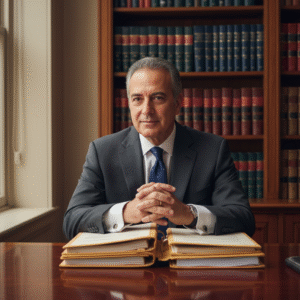


An expert witness is a qualified specialist who gives opinion evidence to help a judge or jury understand technical issues that fall outside ordinary experience. Competitors often focus on the expert witness definition, comparisons with lay witnesses, qualifications, and short examples early in their articles.
This guide explains what an expert witness is, who can qualify, how courts test admissibility, and how experts shape civil litigation and criminal cases. We also outline practical steps for professionals who want to testify and for lawyers who need to select or challenge experts, reflecting the experience and global directory resources of LegalExperts.AI.
Expert Witness Definition and Foundational Concepts
What is an expert witness in court?
An expert witness is a person with specialized knowledge, skill, experience, training, or education who gives opinion evidence to assist the court. When courts or juries face complex medical, financial, scientific, or technical issues, judges often ask, directly or indirectly, what is an expert witness in court and whether that person will genuinely help the fact-finder. The core expert witness definition focuses on whether the testimony will clarify evidence or help determine a fact in issue, not on job titles alone.
How do different authorities define an expert witness?
Legal systems and evidence rules use similar language when providing a definition of expert witness, even though wording varies. In many common-law jurisdictions, an expert witness is someone whose specialized knowledge will help the trier of fact understand the evidence or decide a fact, and whose opinions are based on sufficient facts and reliable methods.
Courts, procedural rules, and practice guides often restate that definition for specific contexts. For example, evidence rules for civil litigation may highlight written expert reports, while criminal cases may stress forensic methods and chain-of-custody. Practice manuals for trial lawyers explain who qualifies as an expert witness, how to present expert witness examples effectively, and how to handle the role of expert witness during direct examination and cross-examination.
Who is an expert witness and who can be an expert witness?
An expert witness is a person whom the court has formally accepted, or “qualified,” as an expert for a particular subject in a particular case. The expert does not just have subject-matter knowledge; the expert connects that knowledge to disputed facts through expert testimony. A general subject-matter expert may be well known, but courts still ask who can be an expert witness in the specific case before the court.
Judges distinguish between broad expertise and case-specific expertise. A leading surgeon may not be suitable for a niche medical device case if the surgeon lacks current experience with that device. Similarly, a respected accountant may not qualify as a damages expert in international arbitration without experience in the relevant industry or jurisdiction. Courts focus on whether the expert has enough relevant, recent, and reliable expertise that matches the legal issues presented.
What makes a witness an “expert” under evidence rules?
Evidence rules commonly list several factors that guide courts in deciding who counts as an expert. Most rules refer to knowledge, skill, experience, training, or education, and judges assess each factor in light of the dispute. The analysis is functional: a person is an expert to the extent that background and methods will help the court with the specific questions in the case.
At a qualification hearing, sometimes called voir dire, lawyers question the proposed expert about degrees, licenses, research, past work, and prior legal testimony. Opposing counsel may challenge gaps or weaknesses. The judge then rules on whether the person is qualified to offer opinion evidence on particular topics. Once accepted, the expert must stay within that defined area and avoid drifting into subjects outside the recognized qualifications.
Qualifications and Duties of Expert Witnesses
Who qualifies as an expert witness?
Courts decide who qualifies as an expert witness by looking at both formal credentials and practical experience. Academic degrees, specialized training, and professional licenses matter, but so do years of hands-on work, leadership roles, and involvement in standards-setting bodies. Expert witness qualifications are evaluated in context: a professor with limited field exposure may be suitable for theory-heavy disputes, while a seasoned practitioner may be better for fact-intensive industry cases.
Judges also examine a proposed expert’s litigation history. Published articles, conference presentations, and prior expert testimony support credibility, especially when they show consistent methods over time. At the same time, a long record of testifying only for one side, such as only for plaintiffs or only for prosecutors, can prompt questions about bias, even if that pattern does not automatically disqualify the expert.
What are the qualifications of an expert witness?
The qualifications of an expert witness typically fall into several categories. Formal education includes university degrees and postgraduate study in a relevant field. Professional licensing confirms legal permission to practice in regulated fields, such as medicine, engineering, or psychology. Board certifications and fellowships show that peers have reviewed and recognized advanced competence.
Courts also weigh industry recognition, such as leadership in professional associations, authorship of textbooks, or service on government advisory panels. When judges and lawyers ask what are the qualifications of an expert witness, they look for a coherent record of knowledge, skill, and experience, not a single impressive title. Standards differ across jurisdictions, but the unifying question is whether the person’s background reliably supports the opinions offered in the specific court cases at issue.
What do expert witnesses do and what are their duties?
Expert witnesses perform a structured set of tasks before and during trial. The work usually begins with extensive review of records, data, and physical evidence. Experts may conduct independent testing, inspections, or calculations to reach opinions using methods that mirror professional practice outside the courtroom.
In many systems, testifying experts prepare written reports explaining assumptions, methods, and conclusions in clear language. During hearings or trial, the expert delivers legal testimony that connects technical analysis to disputed facts, often using charts or demonstratives prepared with tools such as Canva to help jurors understand complex points. Core duties include objectivity, candor about limitations, and staying within the expert’s true area of expertise. Courts expect experts to serve the administration of justice, not to act as advocates who simply repeat a retaining party’s narrative.
How can someone become a qualified expert witness step by step?
Professionals who want to testify as experts need both deep subject knowledge and familiarity with court expectations. A structured approach can make the path more realistic and help align expertise with legal needs.
- Build substantial expertise through education, licensing, and real-world practice in a clearly defined field.
- Document credentials carefully by maintaining an updated curriculum vitae that highlights research, projects, and speaking engagements.
- Publish articles, guidelines, or case studies and present at conferences so that courts can see how methods align with accepted practice.
- Network with attorneys through platforms such as LinkedIn and legal organizations, and learn local court rules about expert disclosures and reports.
- Obtain training in deposition and trial testimony skills, including mock examinations, and review feedback from early cases to refine methods and communication.
According to a 2024 ABA study from the Section of Litigation, courts increasingly emphasize transparent methodologies and clear written reports when deciding whether to qualify new experts.
Expert Witness vs. Lay Witness and Fact Witness
How does an expert witness differ from a lay witness?
An expert witness differs from a lay witness in the type of testimony each may provide. Lay witnesses are usually fact witnesses who describe what they personally saw, heard, or experienced, without relying on specialized knowledge. Their role is to offer straightforward observations about events.
Expert witnesses, by contrast, give opinion evidence based on specialized knowledge, such as medical causation or accident reconstruction. The difference between expert witness and lay witness matters because expert testimony can address what likely caused an injury, how much future care will cost, or whether conduct met professional standards. Evidence rules strictly separate these categories so that juries understand when a witness speaks as a technical specialist rather than as an observer.
How do expert vs. fact witnesses compare in court?
In court, fact witnesses anchor the narrative of what happened, while experts explain what the facts mean from a technical standpoint. A fact witness might testify that a car skidded through an intersection, whereas an expert could analyze skid marks, vehicle damage, and road conditions to estimate speed or braking distance.
The same individual can sometimes serve as both a fact witness and an expert witness, such as a treating physician who both observed the patient and later offers specialist opinions. When that occurs, courts require clear role separation, often through careful questioning and jury instructions. The goal is to keep the jury from confusing subjective recollection with conclusions grounded in specialized analysis.
When do you need an expert witness instead of a lay witness?
Lawyers and parties ask when do you need an expert witness when facing issues that exceed ordinary experience. Medical malpractice claims, complex product failures, securities fraud cases, and digital forensics all usually require specialized input. Without expert analysis, a judge may find that the evidence does not adequately support technical elements like standard of care, causation, or damages.
Judges weigh whether expert input will genuinely help the fact-finder. If disputed issues involve routine matters within common knowledge, a court may exclude expert testimony as unnecessary. When disputes involve scientific methods, specialized technology, or professional standards, judges are far more likely to allow, and sometimes require, expert testimony so that legal conclusions rest on reliable, discipline-based reasoning.
The Role and Importance of Expert Witnesses in Court
What is the role of an expert witness in court?
The role of an expert witness in court is to educate the judge and jury about technical matters and to apply specialized knowledge to the facts. Experts explain complex data, translate jargon, and connect professional standards to the legal issues presented. In many cases, experts address causation questions, quantify damages, or explain industry customs and practices.
An expert witness does not decide the case, but the expert’s explanations can strongly influence how the fact-finder views the evidence. Clear, well-supported expert testimony can help jurors reconcile conflicting factual accounts, understand probabilities, and see how technical details either support or undermine a party’s theory.
Why are expert witnesses important in civil litigation and criminal cases?
Expert witnesses are crucial in civil litigation because liability and damages often hinge on technical evaluations. In personal injury and product liability cases, medical and engineering experts explain whether a product was defective and whether that defect caused the injury. In business disputes, economists and forensic accountants analyze financial records to measure lost profits or diminished value.
In criminal cases, experts interpret forensic evidence, digital records, and psychological assessments. For example, DNA analysts, ballistics experts, and digital forensics specialists often provide key evidence about who was present, what devices were used, or whether a confession aligns with external data. Their work can support or challenge charges, affect plea negotiations, and shape sentencing arguments.
What makes expert witnesses so important to case outcomes?
Expert witnesses strongly influence case outcomes because credibility and clarity shape how fact-finders interpret technical evidence. When an expert is independent, uses accepted methods, and explains conclusions in accessible terms, the expert can strengthen a party’s position in settlement talks and at trial. Jurors tend to give significant weight to specialists who appear fair and grounded in data rather than advocacy.
Weak expert testimony, by contrast, can damage a case. Inconsistent methodologies, overstatement of certainty, or lack of familiarity with relevant literature all provide openings for cross-examination. Judges may exclude unreliable opinions before trial, and even when admitted, a poorly prepared expert can undermine a party’s theory of the case in the eyes of the jury.
What types of expert witnesses commonly appear in court cases?
Common types of witnesses who testify as experts come from many professions. Medical experts, such as physicians and nurses, often address standard of care, prognosis, and necessary treatment in personal injury and malpractice cases. Forensic scientists analyze physical evidence, including DNA, fingerprints, and trace materials, especially in criminal prosecutions.
Financial experts, including economists and forensic accountants, help courts calculate lost income, business value, and other forms of economic loss. Engineers and safety experts assess product designs, construction practices, and accident causation. Psychologists and psychiatrists explain mental health conditions, capacity, or risk. Digital forensics experts examine data from phones, computers, and cloud platforms. These expert witness examples illustrate how examples of expert witness testimony bridge scientific or professional disciplines and the legal questions courts must answer.
Admissibility, Challenges, and Types of Expert Testimony
How do courts decide on the admissibility of expert testimony?
Courts act as gatekeepers when deciding on the admissibility of expert testimony. In many United States federal and state courts, the Daubert standard requires judges to assess whether the expert’s methods are testable, peer-reviewed, subject to known error rates, and generally accepted in the relevant field. Other jurisdictions follow the Frye standard, which focuses more heavily on general acceptance of the technique among experts.
Judges also evaluate relevance: even reliable methods must connect logically to the facts in dispute. According to a 2023 Federal Judicial Center report on Daubert motions and expert evidence, courts increasingly require detailed explanations of methodology in expert reports so that reliability and fit can be assessed before trial. When expert methods fail these tests, courts may narrow or exclude opinions to prevent juries from hearing unreliable science or unsupported speculation.
What types of challenges can be raised to expert testimony?
Parties can raise several types of challenges to expert testimony before and during trial. Pretrial motions in limine ask the court to exclude or limit expert opinions based on relevance or prejudice. Daubert or Frye motions target the underlying methodology, arguing that techniques are insufficiently reliable or not generally accepted.
During voir dire on qualifications, an opposing lawyer may question whether the expert truly has the claimed expertise. At trial, cross-examination focuses on bias, funding, selection of data, and alternative explanations that the expert may have discounted. Lawyers may also use prior publications or testimony to highlight inconsistencies or show that the expert’s litigation opinions depart from usual professional practice.
What are examples of expert witness testimony and how are they evaluated?
Examples of expert witness testimony span many areas. In a civil products case, a mechanical engineer may testify that a machine lacked a feasible safety guard, explaining testing protocols and accident reconstruction. In a medical malpractice action, a physician may compare the defendant’s treatment decisions to accepted clinical guidelines. In a criminal case, a DNA analyst may explain how profiles were generated and how statistical probabilities are calculated.
Courts and juries evaluate such testimony based on clarity, consistency, and alignment with other evidence. Judges look for logical reasoning from facts to conclusions, supported by established research and practice. Jurors assess tone, responsiveness, and how the expert handles challenges on cross-examination. When testimony appears balanced and grounded in verifiable data, fact-finders are more likely to treat the opinions as reliable guidance rather than advocacy.
How do different types of experts support civil litigation strategy?
Different types of experts support civil litigation strategy in distinct ways. Consulting-only experts help lawyers understand technical documents, refine legal theories, and test potential arguments; these experts often remain behind the scenes and do not testify. Testifying experts, in contrast, prepare reports and appear at deposition and trial, subject to disclosure rules and cross-examination.
Lawyers use research platforms such as LexisNexis and Westlaw to review prior court decisions involving specific experts, including rulings on admissibility and transcripts from previous cases. That history helps counsel anticipate how a particular expert is likely to perform in front of a jury and how vulnerable the expert may be to methodological challenges. Strategic use of both consulting and testifying experts can sharpen case themes, improve settlement evaluations, and reduce surprises at trial.
Practical Guidance, Related Terms, and Getting Legal Help
What related terms, resources, and contacts should you know?
People learning about expert witnesses often see repeated terms and calls to action across legal resources. Phrases such as Questions? Contact a Law Firm, Definition of an Expert Witness, and What Does an Expert Witness Do commonly appear in guides aimed at clients and new practitioners. These headings signal where readers can find explanations, examples of expert witnesses in court, and checklists for working with specialists.
Related concepts include who can serve as an expert, qualifications and duties, types of expert witnesses, and why expert witnesses are important in civil litigation. Many resources also explain when you need an expert witness, how the role of expert witnesses in civil litigation differs from criminal practice, and how choosing the right expert witness can shift the strength of a claim or defense. Together, these terms help organize information about expert testimony and legal procedure.
How can lawyers choose the right expert witness?
Choosing the right expert witness requires both technical and strategic evaluation. Lawyers need specialists whose skills match the issues in dispute and who can communicate clearly to non-experts.
- Confirm that education, licenses, and experience align closely with the disputed questions, not just the general field.
- Review publications, prior legal testimony, and any past admissibility rulings to identify strengths and potential vulnerabilities.
- Assess communication skills by observing how the expert explains complex topics in plain language during interviews.
- Use professional directories, including platforms like LegalExperts.AI, as well as referrals from trusted colleagues to identify experts with strong reputations.
According to a 2023 Stanford Law empirical study on expert evidence, judges and juries respond most favorably to experts who demonstrate independence, transparency about limitations, and consistent application of methods across cases.
When should you talk to a lawyer about expert witness issues?
Parties should seek legal advice about expert witness issues early in case assessment, especially when disputes involve highly technical evidence or serious potential consequences. Early consultation allows counsel to identify whether expert input is necessary, estimate potential costs, and avoid missed deadlines for expert disclosures.
A lawyer can also help evaluate whether an opposing party’s expert testimony is vulnerable to challenge. Strategic review of expert reports, depositions, and supporting data can reveal methodological gaps, undisclosed assumptions, or conflicts with established research. Timely legal guidance increases the chances that strong expert testimony will be admitted and that unreliable opinions will face effective challenge.
What are the key takeaways about expert witnesses?
An expert witness is a qualified specialist who offers opinion evidence grounded in reliable methods to help courts interpret complex facts. Expert testimony differs from lay and fact testimony because experts rely on specialized knowledge rather than personal observation alone. Strong qualifications, clear communication, and genuine independence are central to how judges rule on admissibility and how juries weigh competing opinions.
Early and thoughtful use of experts can strengthen investigations, sharpen legal theories, and improve outcomes in both civil and criminal proceedings. For support with expert witness strategy, challenges to opposing experts, and related services such as Internet Content Removal, LegalExperts.AI provides reliable solutions.