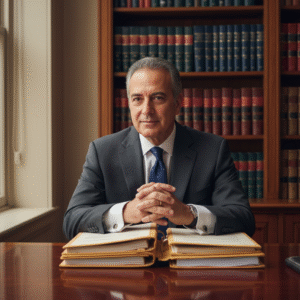


Facing a driving under the influence charge raises urgent questions about your rights, the DUI arrest process, and the DUI penalties that could affect your license, record, and future. Many law firm websites focus on local branding and pressure to call now, but provide limited clarity on what actually happens next.
This guide gives clear, step-by-step information on DUI laws, DUI charges and penalties, defense strategies, and the real-world steps to take after being charged with DUI, while showing how an experienced DUI attorney can intervene at every stage through the national network and services offered by LegalExperts.AI.
DUI Defense Lawyer and Drunk Driving Defense Services
A focused DUI defense lawyer handles every phase of drunk driving defense, from the first police contact through trial or negotiated resolution. At LegalExperts.AI, we connect clients with DUI criminal defense counsel who understand both courtroom strategy and the everyday impact of a conviction.
Why Hire a DUI Lawyer for DUI & DWI Defense?
Hiring a DUI lawyer instead of facing charges alone can change the outcome of a case. Self-representation often leads to missed defenses, unchallenged evidence, and harsher DUI penalties.
An experienced DUI attorney reviews police reports, body-camera and dashcam video, field sobriety tests, and chemical test results to look for unlawful stops, faulty instructions, or equipment errors. The attorney protects constitutional rights, challenges probable cause, negotiates with prosecutors, and seeks to reduce or dismiss DUI charges through plea bargaining, diversion, or trial. For anyone asking why hire a DUI lawyer, the answer is that informed advocacy can mean the difference between jail and probation, or between license suspension and continued driving with restrictions.
How does a DUI attorney approach DUI & Traffic Offenses?
Many DUI cases include additional traffic allegations such as speeding, unsafe lane changes, reckless driving, or refusal to submit to breath or blood testing. A DUI attorney evaluates these DUI & traffic offenses together because combined charges can significantly increase fines, points, and exposure to license suspension.
For first-time offenders, counsel often focuses on diversion programs, reduced charges, and avoiding a criminal record where possible. For repeat offenders, strategy tends to emphasize attacking the basis for the stop, contesting prior convictions, and developing strong mitigation such as substance abuse treatment or alcohol monitoring. Early case review is critical so counsel can secure dashcam footage, 911 recordings, and witness information before evidence is overwritten, and so any illegal traffic stop can be challenged through suppression motions.
What types of DUI cases and locations can a DUI defense lawyer handle?
Prospective clients search in many ways for help: by city, by state, or by specific charge such as DUI, DWI, OVUII, or a question like what constitutes a DUI in Florida. Regardless of the search terms, the real need is for a strategic DUI defense lawyer who understands how state-specific DUI laws and local courts operate.
Through LegalExperts.AI, clients can connect with counsel experienced in diverse matters such as California DUI lawyers handling high-BAC freeway arrests, Pensacola DUI defense lawyers addressing coastal vacation incidents, DUI & OVUII defense and understanding DUI & OVUII charges in Hawaii, DUI laws and penalties in Kansas, and understanding DUI/DWI in Tennessee. In each jurisdiction, a qualified DUI attorney interprets the relevant statute, local sentencing practices, and licensing rules to build a defense tailored to the location and the client’s specific facts.
DUI Laws, DUI Charges and Penalties You Could Face
DUI laws vary by state but share common themes: prohibited blood alcohol concentration (BAC) levels, rules for chemical testing, and mandatory minimum DUI penalties. A clear understanding of DUI charges and penalties helps clients weigh risk and make informed choices about plea negotiations or trial.
What do California DUI Laws say about DUI Penalties in California?
California DUI laws set a per se legal limit of 0.08% BAC for most adult drivers, with lower thresholds and zero-tolerance rules for commercial and under-21 drivers. Drivers under 21 may face consequences for any measurable alcohol under zero-tolerance provisions, even if the BAC is below 0.08%.
Typical penalties for DUI in California include fines and penalty assessments, possible jail time, probation, mandatory DUI school, and installation of an ignition interlock device in certain cases. First offenses often involve shorter license suspension periods and access to restricted licenses, while second and third offenses can bring longer jail terms, multi-year suspensions, and longer DUI programs. Aggravating factors such as a high BAC, an accident with injuries, or having a minor in the vehicle can increase sentencing ranges and sometimes elevate a misdemeanor DUI to a felony, leading to prison exposure and longer license revocations consistent with the query penalties for DUI in California.
What are the Possible Penalties for DUI and Potential DUI Penalties?
Across the United States, possible penalties for DUI and potential DUI penalties nearly always include a mix of criminal and administrative consequences. Even a first conviction can have ripple effects beyond the courtroom.
Criminal penalties may involve jail or prison, supervised or unsupervised probation, fines, community service, court-ordered substance abuse treatment, and attendance at victim impact panels. Administrative sanctions commonly include license suspension or revocation, ignition interlock requirements, and proof of high-risk (SR-22) insurance. Collateral consequences can affect employment, professional licenses, rental housing, and security-clearance status, especially for drivers in transportation, healthcare, or government roles. A skilled DUI attorney often works to reclassify or reduce charges—for example, negotiating a “wet reckless” or similar reduced offense where state law allows—aiming to lessen both the immediate sentence and long-term damage.
How serious are Penalties for a DUI Conviction and Penalties for DUI in Pensacola?
Penalties for a DUI conviction follow a driver long after court supervision ends. Insurance companies may classify a driver as high risk for years, leading to substantial premium increases, and some noncitizens face immigration consequences when DUI charges involve aggravating factors.
In places such as Pensacola, penalties for DUI can include mandatory minimum jail, substantial fines, extended probation with treatment conditions, and lengthy license suspensions, but local practice may also offer diversion or treatment-based alternatives for eligible first offenders. According to a 2023 NHTSA report on impaired-driving sentencing and recidivism across multiple U.S. states, jurisdictions that pair sanctions with structured treatment programs tend to see lower repeat DUI rates and more consistent sentencing outcomes. A strong defense that highlights rehabilitation, stable employment, and community ties can influence where within a broad statutory range an individual case is sentenced.
How do License Suspension & Administrative Penalties affect your driving privileges?
License suspension and other administrative penalties often begin before any criminal conviction. After many DUI arrests, the department of motor vehicles or equivalent agency starts an automatic license suspension process, sometimes called an administrative license suspension or ALS.
Drivers usually have a short deadline—often measured in days, not weeks—to request a hearing to challenge the suspension or seek a restricted license. Refusing a breath test can trigger longer automatic suspensions, even if the criminal case is later dismissed, because implied consent laws treat refusal as a separate violation. A DUI attorney tracks these deadlines, prepares for DMV hearings, cross-examines officers about the DUI arrest process, and argues for restricted or hardship licenses so clients can continue work, school, and family obligations while the criminal DUI charges remain pending.
DUI Arrest Process and What Happens After a DUI Arrest
Understanding what happens after a DUI arrest helps reduce anxiety and prevents harmful missteps. The DUI arrest process follows a predictable sequence from the initial stop to booking and release, followed by court dates and administrative proceedings.
What Happens If You’re Arrested for DUI from stop to booking?
Most DUI cases begin with a traffic stop, a roadside contact, or a checkpoint. An officer may claim to observe poor driving, the odor of alcohol, slurred speech, or other signs of impairment before asking the driver to exit the vehicle.
At roadside, officers often request field sobriety tests and preliminary breath testing. If the officer believes there is probable cause, the officer arrests the driver and transports the driver for formal breath or blood testing. Booking usually involves fingerprints, photographs, and entry into a jail or detention facility, after which the driver may be released on bail, bond, or a promise to appear. The first court date is typically an arraignment where the judge advises the driver of the DUI charges and asks for a plea; a DUI attorney can appear at arraignment, enter a not-guilty plea, and start the process of obtaining evidence.
What should I do after a DUI arrest to protect my case?
Anyone asking what to do after a DUI arrest, what should I do if I’m arrested for DUI, or what happens after a DUI arrest needs clear, concrete steps. Early decisions often shape how strong the defense will be months later.
Key steps after being charged with DUI include:
- Avoid discussing the incident with friends, coworkers, or on social media, because statements can be used as evidence.
- Gather and preserve paperwork such as citations, bail receipts, court notices, and vehicle tow records, along with names and contact information for any witnesses.
- Request a DMV or licensing hearing before the deadline listed on the notice of suspension to contest license suspension or seek a restricted license.
- Contact a DUI attorney for a free consultation immediately so counsel can review the DUI arrest process, advise on what to say or not say, and start investigating.
These actions support later work when you contact our Bakersfield DUI lawyers today through LegalExperts.AI’s network, contact us for DUI defense in other regions, or request a consultation online.
How quickly do DUI charges move through DMV hearings and court?
DUI timelines vary by state and county, but most cases move through two separate tracks: the administrative license proceeding and the criminal court case. Each has its own deadlines and consequences.
Administrative hearings often occur within a few weeks of arrest, especially where the driver promptly requests a hearing to contest immediate suspension. Criminal arraignments may happen within days or weeks, followed by pretrial conferences, motion hearings, and, if necessary, trial months later. Some cases resolve quickly through reduced-charge agreements, while more contested cases extend longer because defense counsel files motions challenging the stop, arrest, or breathalyzer maintenance records. According to a 2024 American Bar Association study on DUI prosecution timelines, contested DUI cases that include suppression motions and expert testimony typically last several months longer than cases resolved at the first or second pretrial appearance. A proactive DUI defense lawyer uses that time to negotiate, investigate, and prepare for either settlement or trial.
How to Defend Against DUI Charges with Effective DUI Defenses
Defending against DUI charges requires both legal analysis and factual investigation. Effective DUI defenses examine why the driver was stopped, how sobriety tests were performed, and whether chemical analyses followed scientific standards.
What DUI Defense Strategies work best in Challenging DUI Charges?
When drivers ask how to defend against DUI charges, attorneys evaluate multiple DUI defense strategies and select the ones that best match the facts, prior history, and local law. Challenging DUI charges does not rely on a single tactic but on a coordinated plan.
Common DUI defense strategies include:
- Contesting the legality of the traffic stop if the officer lacked reasonable suspicion or deviated from checkpoint rules.
- Attacking the reliability of field sobriety tests where road conditions, footwear, medical issues, or improper instructions skewed results.
- Questioning probable cause for arrest if signs of impairment were weak or based on subjective impressions rather than objective indicators.
- Scrutinizing breath or blood testing for calibration problems, contaminated samples, or chain-of-custody gaps that can undermine accuracy.
A DUI lawyer often combines these defenses with favorable personal factors—such as a clean prior record or voluntary treatment—to pursue dismissals, acquittals, or reduced charges.
How are Defending Against DUI Charges and Defending Against DUI different in practice?
Defending against DUI charges focuses on beating or reducing the formal criminal accusations in court. Defending against DUI in a broader sense includes managing the fallout for a driver’s license, employment, and reputation.
In criminal court, a DUI attorney files motions, negotiates with prosecutors, presents expert testimony, and, when appropriate, takes a case to trial. Outside court, counsel may advise clients about employer reporting obligations, professional licensing requirements, and insurance notifications. After a case concludes, some clients qualify for expungement, record sealing, or set-aside procedures that reduce the visibility of a conviction in background checks. An effective DUI criminal defense plan therefore looks beyond the verdict to long-term outcomes.
How can science-based Effective DUI Defenses improve outcomes?
Science-based effective DUI defenses rely on forensic analysis and technical documentation rather than assumptions about sobriety. Attorneys increasingly draw on expert witnesses and specialized software to review breath and blood evidence in detail.
Counsel may request calibration logs, maintenance records, and operator certifications for breath-testing devices, then work with forensic experts to identify deviations from manufacturer or regulatory standards. For blood tests, chain-of-custody records, lab protocols, and contamination risks are closely examined. Legal research platforms such as Westlaw and LexisNexis help attorneys locate appellate decisions that address emerging science, new testing technologies, and constitutional limits on chemical testing. Data-driven approaches often strengthen suppression motions and improve leverage for favorable plea agreements or not-guilty verdicts.
Can strong results in DUI & OVUII Defense and DUI & Traffic Offenses guide expectations?
Strong results in DUI & OVUII defense and cases involving DUI & traffic offenses provide useful examples, but no attorney can promise a specific outcome. Each case turns on evidence quality, local law, the judge and prosecutor, and the client’s background.
Positive past results can include reduced charges that avoid a DUI on the record, negotiated pleas that eliminate jail in favor of treatment or monitoring, or decisions that preserve a driver’s license through restricted privileges. Complex scenarios such as underage DUI, prescription drug DUIs where medication was taken as directed, or out-of-state drivers facing local charges require tailored analysis of both home-state and charging-state laws. When you consult through LegalExperts.AI, you can ask prospective counsel about experience with similar cases to help set realistic expectations.
Why Hire a DUI Lawyer and Meet Our DUI Attorneys
Deciding whether to hire a DUI attorney is one of the most important choices after an arrest. Representation affects not only legal outcomes but also stress levels and the time required from the client.
Why Hire a DUI Lawyer instead of facing DUI charges alone?
Why hire a DUI lawyer is a central question for many drivers, especially when legal fees feel overwhelming. However, the cost of a conviction—lost employment, long-term license suspension, travel restrictions, and higher insurance—often exceeds the cost of qualified representation.
Represented defendants benefit from a professional assessment of weaknesses in the prosecution’s case, including challenges to stop legality, field tests, and chemical evidence. A DUI attorney negotiates plea bargains that can reduce charges, limit jail time, or secure alternative sentences such as treatment programs. Counsel also develops mitigating evidence, such as proof of counseling, community involvement, and stable work history, to present a fuller picture to the court. For many clients, hiring a DUI lawyer is an investment in protecting future opportunities.
How do experienced California DUI Lawyers and Pensacola DUI Defense Lawyers approach cases?
Local experience matters in DUI defense because each court and prosecutor’s office operates differently. California DUI lawyers and Pensacola DUI defense lawyers, for example, work within distinct legal frameworks, sentencing guidelines, and diversion options.
In California, counsel must understand state-specific enhancements, ignition interlock rules, and the relationship between criminal cases and the Department of Motor Vehicles. In Florida communities such as Pensacola, attorneys navigate local diversion opportunities, mandatory minimum jail statutes, and unique administrative license processes. Lawyers handling DUI laws and penalties in Kansas, understanding DUI/DWI in Tennessee, or addressing what constitutes a DUI in Florida bring similar local knowledge. When a case involves an out-of-state license or prior arrests in another state, counsel coordinates multi-state records so that the driver’s home-state licensing authority receives accurate, strategic information.
What should you expect when you Meet Our DUI Attorneys for a consultation?
When you meet our DUI attorneys through LegalExperts.AI, the consultation typically begins with a detailed review of the DUI arrest process, all available paperwork, and the current court and DMV status. The attorney asks about medical conditions, medications, and other factors that might affect sobriety testing.
Clients can expect a discussion of potential DUI penalties, from jail exposure to license suspension, along with an explanation of realistic best- and worst-case outcomes. Many firms offer remote consultations via platforms like Zoom or Microsoft Teams and manage documents through legal practice tools such as Clio, making the process accessible even for out-of-town clients. Consultations are confidential and often include a proposed action plan for immediate steps, investigation, and defense strategy tailored to the individual’s situation.
Contact Our DUI Defense Attorney for a Free Consultation
After a DUI arrest, fast access to qualified counsel often shapes both the legal strategy and the client’s peace of mind. Contacting a DUI defense attorney early allows for quick evidence preservation and timely DMV filings.
How to Contact a DUI Attorney and Speak With a DUI Defense Lawyer Today
To contact a DUI attorney and speak with a DUI defense lawyer today, most clients use a combination of phone calls, secure website forms, and live chat tools. Many firms route inquiries into client relationship platforms such as HubSpot to ensure prompt follow-up and tracking.
The first outreach is low risk and usually focuses on urgent questions: what happens after a DUI arrest, what penalties could I face for a DUI, and what deadlines apply to my license. Because administrative and court timelines move quickly, early contact gives the attorney more options for challenging the arrest, preventing default suspensions, and shaping negotiations before prosecutors commit to a position.
What happens when you Schedule a Free Consultation or Get a Free Consultation?
When you schedule a free consultation or get a free consultation, the firm’s intake team or attorney will ask for basic information: your full name, contact details, arrest date, court location, and any scheduled hearings. The attorney typically requests copies of citations, booking sheets, chemical test results, and insurance notices.
During the meeting, counsel explains the range of possible outcomes, identifies immediate priorities such as requesting a DMV hearing, and outlines potential defense strategies. The conversation is educational rather than high-pressure; clients should leave with a clearer understanding of the DUI charges, potential DUI penalties, and practical next steps. For many people, simply understanding the process reduces anxiety and supports better decision-making.
How do you Request a Free DUI Case Review and what information helps?
To request a free DUI case review, clients usually complete an online form or upload documents through a secure portal. Many firms use encrypted cloud platforms to receive and store files such as police reports, video evidence, and medical records.
Helpful information includes the arrest report, any breath or blood test results, prior conviction history, dashcam or body-camera links, and names of potential witnesses who observed driving or the arrest. Providing detailed, organized information allows the reviewing DUI attorney to spot issues such as unlawful stops, medical conditions that mimic impairment, or testing irregularities. A thorough case review forms the foundation for a tailored defense strategy and an informed discussion of whether to seek dismissal, reduction, or trial.
How do consultation-focused options reduce stress after a DUI arrest?
Multiple consultation-focused options—such as schedule a free consultation, request a free DUI case review, or call to get immediate guidance—help reduce stress after a DUI arrest by giving clients control and information. Instead of waiting passively for court dates, drivers can engage with counsel who explains the process and takes concrete steps on their behalf.
Early engagement allows attorneys to request video evidence, contact witnesses, and file DMV hearing requests before deadlines expire. Clear communication about what to do after a DUI arrest, how to defend against DUI charges, and what penalties might apply gives clients a realistic roadmap. Access to support through phone, video, and secure messaging also makes it easier to continue work and family responsibilities while the case proceeds.
The key points to remember are that early legal advice protects driving privileges, science-based defenses often weaken DUI evidence, local experience with DUI laws influences outcomes, and organized documentation strengthens any case review. For clients who also face reputational concerns and Internet Content Removal issues arising from DUI-related records, LegalExperts.AI provides reliable solutions.