

Auto accident victims in Virginia often face medical bills, missed work, and pressure from insurance adjusters at the same time they are trying to heal. Many online resources blend education with frequent calls-to-action, and we use that same approach here so you always know the next step you can take toward protection and recovery.
This guide explains fault in Virginia crashes, compensation for accident victims, and each stage of the legal process so you can decide whether to consult or retain a car accident attorney. You will see practical checklists, Richmond-specific insights, and strategies for dealing with insurers, all supported by data and real-world examples coordinated through LegalExperts.AI.
Virginia Car Accident Lawyers and Auto Accident Attorneys
Virginia auto collisions can trigger both physical and financial crises. A Virginia car accident lawyer or Virginia auto accident attorney focuses on protecting your rights under state traffic and insurance laws while you focus on medical treatment.
Virginia Car Accident Lawyer vs. Virginia Personal Injury Lawyers: what is the difference?
A Virginia car accident lawyer concentrates on motor vehicle collisions, including passenger cars, motorcycles, trucks, rideshares, and pedestrians struck by vehicles. This type of lawyer understands crash-specific evidence like skid marks, black-box data, and crash reconstruction, and regularly deals with auto insurers.
Virginia personal injury lawyers handle a broader range of personal injury law, including car accidents, slip and fall incidents, medical malpractice, product liability, dangerous drugs and medical devices, premises liability, and wrongful death. If your injuries stem only from a traffic crash, a Virginia car accident lawyer is usually the right fit. If your case involves multiple issues, such as a defective airbag or negligent medical care after the collision, a broader personal injury firm may be appropriate.
Virginia Car Accident Lawyers and Auto Accident Lawyers: how do they protect your rights?
Virginia car accident lawyers and auto accident lawyers work to protect your rights from the first day after a crash. The lawyer’s role is to control information flow, build a strong liability case, and shield you from tactics that minimize your car accident claims.
Lawyers start by investigating the collision: obtaining police reports, interviewing witnesses, requesting 911 recordings, and securing any nearby video footage. In serious crashes, counsel may hire accident reconstruction experts to analyze vehicle damage, event data recorders, and road conditions to determine who is liable in a Virginia car accident. Attorneys also preserve evidence such as vehicle inspections and phone records before it disappears.
Once the basic facts are clear, the attorney takes over communications with insurers. Adjusters are then required to go through your legal representation instead of calling you directly, which reduces the risk that an offhand remark will be used to argue contributory negligence under Virginia law.
How Can a Virginia Car Accident Lawyer Help Me?
After a serious crash, many people ask, do I need a lawyer after a car accident in Virginia or can I handle the claim alone? A Virginia car accident lawyer can manage the claim from start to finish so you do not have to negotiate against trained adjusters while recovering from injuries.
Counsel usually begins with a no-cost case evaluation where you review how the crash occurred, your injuries, and available insurance. The lawyer then gathers evidence, including medical records, photographs, repair estimates, and wage information, to document injuries from car accidents and lost income. Once your medical condition is clearer, the attorney values the claim by estimating both economic losses and non-economic harm such as pain and suffering.
Your lawyer then prepares a demand package to the insurer, negotiates for a fair settlement, and advises you whether an offer is reasonable based on Virginia verdicts and settlements. If negotiations fail, the attorney can file a lawsuit, conduct discovery, and prepare the case for trial so you have a credible threat of litigation backing every conversation.
Auto Accident Attorneys and your legal team: who will handle your case?
Most Virginia auto accident attorneys work within a coordinated legal team. When you hire a car accident law firm, you are usually hiring more than a single lawyer; you gain access to a structured group focused on moving your case forward efficiently.
A typical team includes a lead attorney who sets strategy, associate attorneys who handle research and court hearings, and paralegals who organize records and track deadlines. Many firms also partner with investigators, accident reconstruction specialists, and medical experts to clarify fault and prognosis. Case-management software such as Clio or MyCase helps the team store evidence, record communications, and ensure that no statute of limitations is missed. Through LegalExperts.AI, you can connect with firms that use these systems to keep clients informed with regular updates.
What to Do After a Car Accident in Virginia
Knowing what to do after a car accident in Virginia can preserve your health, your claim, and your peace of mind. The right early steps can prevent disputes about fault and the severity of your injuries months later.
What Should I Do After a Car Accident in Virginia?
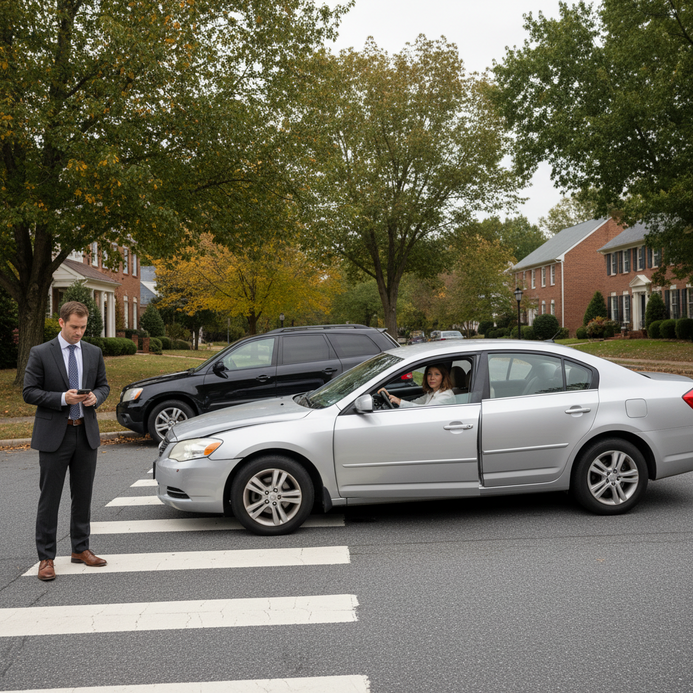
Immediately after a crash, safety is the first priority. Move vehicles out of traffic if possible, turn on hazard lights, and check on all occupants. Call 911 so law enforcement and emergency medical services can respond; the police report often becomes a key document in later negotiations.
Exchange contact, driver’s license, and insurance information with all involved drivers, but avoid arguing or accepting blame. Photograph vehicle positions, road conditions, traffic signals, skid marks, and any visible injuries. If you are wondering what to do after a car accident in Virginia once you leave the scene, seek prompt medical evaluation, notify your insurer, and contact a Virginia auto accident attorney before giving any recorded statement to an adjuster.
Steps to Take After a Car Accident and What To Do After a Car Crash
A clear checklist can reduce confusion in the hours and days after a collision. These steps also support any future claim for compensation for accident victims.
- At the scene, document driver behavior and conditions that relate to common causes of auto accidents, such as speeding, distraction, impairment, or poor weather, so fault is easier to prove later.
- Record injuries from auto accidents early by noting pain, dizziness, confusion, or numbness, even if symptoms seem minor, and follow through with emergency or urgent care as advised.
- On the same day, notify your own insurer, arrange towing or repairs, and store all receipts and communications so you can document your property damage.
- In the days after the crash, follow medical instructions, attend all appointments, keep a journal of symptoms and activity limits, and gather pay stubs showing any lost wages.
- As soon as practical, schedule a consultation with a Virginia car accident lawyer to review your options, especially if injuries are serious or liability is disputed.
How long after a crash should you speak with an auto accident attorney?
The safest approach is to speak with a Virginia auto accident attorney as soon as your immediate medical needs are addressed, often within a day or two of the collision. Early advice can prevent common mistakes, such as downplaying symptoms to an adjuster or signing broad medical releases that expose unrelated health history.
Most car accident attorneys offer free consultations and work on a contingency fee, which means you usually pay no attorney’s fees unless there is a financial recovery. During that first meeting, you can ask whether you truly need a lawyer after a car accident in Virginia based on the facts of your case. Prompt contact also allows your attorney to secure video footage, vehicle data, and witness memories before they fade.
Common Causes of Car Accidents and Typical Injuries
Understanding why crashes occur and the injuries they cause helps injured people recognize when another driver’s negligence may justify a claim. It also helps attorneys identify which facts matter most when building liability arguments.
Common Causes of Car Accidents in Virginia and Common Causes of Virginia Car Accidents
Common causes of car accidents in Virginia include speeding, distracted driving, impairment, aggressive lane changes, following too closely, and failing to yield. Poor weather and low visibility can worsen driver errors, especially on interstates such as I-64 and I-95.
When police and insurers analyze what are the common causes of car accidents in Virginia in a specific crash, they review citations, witness statements, scene photos, and any available video. Phone records may show texting or streaming, and breath or blood tests can confirm impairment. A Virginia car accident lawyer uses these details to argue that the other driver bears full responsibility, which is critical in a contributory negligence state where even small percentages of fault can bar recovery.
Virginia Auto Accident Statistics and The Impact of Car Accidents
Virginia auto accident statistics show how serious the problem has become. According to a 2023 Virginia DMV crash statistics report, distracted driving crashes increased and were responsible for thousands of injuries statewide, with younger drivers disproportionately represented.
The impact of car accidents extends beyond the immediate scene. Collisions lead to emergency department visits, hospital admissions, long-term rehabilitation, and lost productivity when injured people cannot work. Families often face transportation problems, childcare complications, and emotional distress. A strong legal response in individual cases can encourage safer driving behavior and reinforce accountability for negligent drivers, employers, and, in some cases, vehicle manufacturers.
Types of Car Accident Cases We Handle, Types of Car Accidents We Handle, and Types of Car Accidents
Typical types of car accident cases we handle through our network include rear-end, head-on, T-bone, sideswipe, rollover, and multi-vehicle collisions. Each type raises distinct liability and insurance issues.
Rear-end crashes often occur in stop-and-go traffic and may suggest the rear driver followed too closely or was distracted. Head-on collisions usually involve serious injuries and may raise questions about lane departures, intoxication, or fatigue. T-bone and sideswipe crashes often happen at intersections or during lane changes and require careful analysis of traffic signals and blind spots. Rollovers can implicate both driver behavior and vehicle design, while multi-vehicle pileups may involve layered insurance coverage and complex fault allocations that a Virginia car accident lawyer must untangle.
Types of Car Accident Injuries, Injuries From Car Accidents, and Typical Injuries in Car Accidents
Types of car accident injuries range from minor soft-tissue strains to life-changing trauma. Typical injuries in car accidents include whiplash, fractures, spinal cord injuries, traumatic brain injuries, and internal organ damage.
Whiplash and other soft-tissue injuries may not show up on initial imaging but can cause persistent pain and limited range of motion. Broken bones and joint injuries often require surgery and physical therapy. Spinal cord injuries and serious brain trauma can result in paralysis, memory loss, or cognitive changes that affect employment and independence. Documenting injuries from car accidents with consistent medical treatment, imaging, and specialist evaluations is essential for fair compensation and for projecting future care needs.
Compensation After an Auto Accident in Virginia
Compensation after an auto accident in Virginia depends on the severity of injuries, available insurance, and how strongly evidence supports fault. Understanding the main categories of damages prepares you for discussions with an adjuster or attorney.
What Compensation Could I Recover From a Virginia Car Accident Claim?
When you ask what compensation could I recover from a Virginia car accident claim, the answer usually involves both economic and non-economic damages. Economic damages repay measurable costs, while non-economic damages recognize human losses that do not appear on invoices.
Economic damages include past and future medical bills, prescription costs, rehabilitation, assistive devices, and lost wages or salary. Non-economic damages cover pain and suffering, emotional distress, inconvenience, and loss of enjoyment of life. Property damage to your vehicle and personal items is typically handled either within the personal injury claim or under a separate property-damage claim. An experienced Virginia car accident lawyer will gather proof for each category to support negotiations.
What Types of Compensation Are Available, Types of Compensation for Car Accident Victims, and Compensation in Car Accident Cases?
When evaluating what types of compensation are available, many people overlook future and indirect losses. Types of compensation for car accident victims can include projected medical expenses, such as additional surgeries or long-term physical therapy, and the cost of home health aides or transportation to appointments.
Compensation in car accident cases may also reflect loss of earning capacity if injuries limit your hours, duties, or career path. Home modifications, such as ramps or bathroom changes, can be included when injuries cause mobility problems. Spouses may claim loss of consortium for harm to the marital relationship. In rare cases involving extreme recklessness, punitive damages may be available to punish and deter similar conduct, although Virginia law caps punitive awards.
What Compensation Can I Recover and What Damages Can I Recover After a Car Accident?
Every case is different, so there is no single answer to what compensation can I recover or how much compensation can I get for a car accident. Still, examples can illustrate how damages are calculated.
A person with moderate soft-tissue injuries and a few months of treatment might recover damages in the tens of thousands of dollars for medical bills, several weeks of lost wages, and pain and suffering. A person with multiple fractures, surgery, and long-term work restrictions may see claimed losses rise into the hundreds of thousands or higher, especially if future earnings are reduced. The key drivers are medical evidence, the duration and intensity of symptoms, the impact on daily activities, and how clearly another party’s negligence can be proven.
What Is the Statute of Limitations on Car Accident Claims in Virginia, How Long Do I Have to File a Claim, and What If I Was Partially at Fault for a Crash?
The statute of limitations on car accident claims in Virginia generally gives injured people two years from the date of the crash to file a personal injury lawsuit and five years for property damage, though shorter deadlines can apply for claims against government entities. When people ask how long do I have to file a car accident claim in Virginia, attorneys stress that evidence becomes harder to obtain with each passing month.
According to a 2024 William & Mary Law School study on Virginia auto litigation, a significant percentage of late-filed auto accident lawsuits were dismissed on limitations grounds, closing the door on recovery even when liability evidence was strong. Virginia’s contributory negligence rule adds another layer: if you are even slightly at fault, you may be barred from any recovery. Discussing what if I am partially at fault for a car accident with a knowledgeable attorney early on can help you understand whether arguments about your conduct are persuasive or can be rebutted.
Virginia Personal Injury Lawyers and the Legal Process
Virginia personal injury lawyers guide clients from the first intake call through settlement or trial. A clear roadmap helps you understand what to expect and how long the process may take.
Common Types of Personal Injury Claims: Car Accidents, Medical Malpractice, Product Liability, Dangerous Drugs and Medical Devices, Premises Liability, and Wrongful Death
Car accidents are one of the most frequent personal injury claim types, involving negligent driving and, at times, negligent vehicle maintenance. Medical malpractice claims allege that healthcare providers failed to meet professional standards, causing preventable harm.
Product liability claims involve dangerous or defective consumer products, including auto parts such as airbags or brakes. Cases involving dangerous drugs and medical devices focus on side effects or failures that manufacturers should have warned about or prevented. Premises liability claims arise when unsafe property conditions lead to harm, such as falls or inadequate security. Wrongful death cases seek compensation for families when negligence results in a fatality, which can occur in car accidents or any of these other categories.
How a Virginia Personal Injury Attorney Can Help at Each Stage of Your Case
A Virginia personal injury attorney supports you at each stage of your case, from the first consultation through possible trial. Understanding the typical sequence can lower stress and set realistic expectations about timing.
The process usually starts with an initial consultation where the attorney assesses liability and damages. Next comes investigation and documentation, including collecting records, interviewing witnesses, and consulting experts. Once treatment stabilizes, your lawyer files the car accident claim with the insurer and may file a lawsuit if settlement talks stall. Discovery follows, with both sides exchanging documents, written questions, and depositions. Many cases proceed to mediation or another settlement conference before trial.
According to a 2024 University of Virginia School of Law study on civil case outcomes, many personal injury settlements in Virginia occur within 9 to 18 months of filing, although complex cases and those that go to trial can take several years. Lawyers increasingly use tools like Zoom for remote hearings and DocuSign for secure e-signatures so clients across Virginia can participate without constant office visits.
How a Virginia Personal Injury Lawyers team works with insurance companies and adjusters
A Virginia personal injury lawyer’s team handles communications with insurance companies so you can avoid common pitfalls. Adjusters are trained to minimize payouts, and casual comments about feeling better or past health problems can be misinterpreted.
Your legal team sends a formal letter of representation instructing insurers to contact the firm directly. Team members then request policy details, medical-pay and uninsured/underinsured motorist coverages, and any recorded statements given before you had counsel. Lawyers craft detailed demand letters supported by medical records, photographs, and witness statements, and they respond to low offers with counterproposals grounded in evidence.
Case-management platforms such as Clio and MyCase allow teams to log every phone call, email, and deadline. This organization helps ensure that negotiation opportunities are not missed and that any lawsuit is filed before the statute of limitations expires, preserving your right to pursue full compensation.
Virginia Car Accident Attorneys, FAQs, and Contact Options
Virginia car accident attorneys serve clients from Richmond to rural communities, using technology and local knowledge to manage claims efficiently. Whether you need a Richmond car accident lawyer or help elsewhere in the state, prompt contact is often the first step toward relief.
Richmond Car Accident Lawyer and Areas We Serve across Virginia
A Richmond car accident lawyer often represents clients throughout Central Virginia, including Henrico, Chesterfield, Hanover, and surrounding counties. Many firms also take cases from other regions, such as Tidewater, Northern Virginia, and the Shenandoah Valley, especially for serious injury and wrongful death matters.
Representation usually starts with a phone or video consultation to review how the crash occurred and what injuries you suffered. Modern tools like Zoom, secure client portals, and electronic document sharing allow attorneys to manage cases for clients who cannot easily travel. Local knowledge of Richmond-area courts and insurers helps lawyers anticipate defense strategies, jury tendencies, and scheduling practices, which can influence whether a case settles or proceeds to trial.
Why Work With Us and When to Contact Our Virginia Car Accident Lawyers Today
We help injured people connect quickly with a qualified Virginia car accident lawyer so legal questions do not remain unanswered. When you are ready to act, clear reasons to reach out now can make your decision easier.
- Deep experience with Virginia traffic laws, insurance rules, and local courts, including claims in and around Richmond.
- Strong investigation resources, from accident reconstruction experts to medical specialists, to support serious injury cases.
- Prompt, clear communication so you always know the status of your case, upcoming deadlines, and next steps.
- Strategic negotiation and trial readiness that signal to insurers that low offers will not be accepted without challenge.
- Flexible contact options, including phone, online forms, and virtual meetings, so you can get help even while recovering at home or in the hospital.
Frequently Asked Questions About Car Accidents, Frequently Asked Questions About Virginia Car Accidents, Frequently Asked Questions About Car Accidents in Virginia, and Auto Accident FAQs
Many injured people have similar questions after a crash. Clear answers can help you decide whether and when to seek legal representation.
One common question is who is liable in a Virginia car accident. Liability usually rests with the driver who violated a traffic rule or failed to act reasonably, but employers, vehicle owners, or bars that overserved alcohol may also be responsible in some cases. Another frequent concern involves steps after a crash if symptoms appear late; the safest approach is to seek medical care promptly, inform providers about the collision, and notify your attorney so new records can be gathered.
People also ask how long a claim will take and whether a lawsuit is always necessary. Some cases settle within a few months after treatment ends, while others require litigation to achieve a fair result. An early consultation with a Virginia auto accident attorney allows you to discuss timelines, risks, and likely strategies tailored to your facts.
How Much Does It Cost to Hire a Car Accident Lawyer and How Our Car Accident Attorneys Can Help You
Cost is a major concern, especially when medical bills and lost income are already mounting. Most Virginia car accident lawyers work on a contingency fee, meaning attorney’s fees are a percentage of the recovery and are collected only if the case succeeds. Many firms advance case costs such as expert fees and court filing charges and recover them from the settlement or verdict.
Our role is to help you understand these arrangements and connect you with a Virginia auto accident attorney who is transparent about fees and communication practices from the beginning. Through our platform, you can request a free case review, ask questions about strategy and expected timelines, and decide whether to move forward with a particular car accident attorney or car accident law firm that fits your needs.
Healing after a crash requires medical care, financial stability, and clear guidance about your legal rights. Acting quickly to document the scene, seek treatment, and consult a Virginia car accident lawyer can protect your claim in a contributory negligence state. Understanding common causes of crashes, typical injuries, and available compensation prepares you for conversations with insurers and attorneys. Working with a coordinated legal team can reduce stress while improving the chances of a fair result. LegalExperts.AI provides reliable solutions.