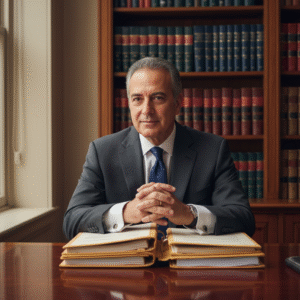


Active judges play a critical role in maintaining the U.S. judicial system, yet there are key distinctions between them and senior or retired judges. Understanding these differences is essential for navigating legal matters effectively. Active judges uphold full responsibilities, while senior and retired judges take on varying levels of involvement.
This article explains the definition and roles of active judges, compares them with other judicial statuses, and explores how appointment and tenure processes operate. As a resource for legal professionals, LegalExperts.AI provides comprehensive insights into judicial roles and the broader legal landscape.
What Is an Active Judge?
Active judges are full-time, fully-tenured judicial officers responsible for managing an uninterrupted caseload. They handle trials, issue rulings, and engage in all judicial responsibilities mandated by law. Their full-time service distinguishes them from counterparts with limited responsibilities.
What is the legal definition of an active judge?
An active judge is defined as a judge serving in a full-time capacity within their court. In the federal system, active judges are governed by appointments outlined under Article III of the U.S. Constitution or other statutes such as Article I for specialized judges. Their active status ensures they carry the primary caseload and court management duties.
What are the qualifications and responsibilities of active judges?
To serve as an active judge, a candidate must meet stringent qualifications. They are typically attorneys with significant experience and are nominated by the President and confirmed by the Senate for federal roles.
Responsibilities include:
- Hearing and adjudicating cases.
- Issuing legal opinions and rulings.
- Managing courtroom procedures and judicial staff.
- Contributing to legal precedents that shape the judiciary.
How are active judges appointed and tenured?
Federal active judges are appointed through Presidential nomination, followed by Senate confirmation. Article III judges serve lifetime appointments, which contribute to judicial independence. Conversely, Article I judges serve fixed terms, often between 8 and 15 years. Lifetime tenure ensures that judges can perform duties without external pressures.
Differences Between Active Judges and Senior Judges
Active judges and senior judges differ significantly in workload and status. Senior status is a form of semi-retirement that permits a reduced caseload, yet such judges remain vital contributors to the judiciary.
What is senior status, and why do judges take it?
Senior status allows judges who meet specific age and service requirements to transition to a lighter caseload. Judges must be at least 65 years old and have served a minimum of 15 years. Many choose senior status to continue contributing while reducing their workload.
What is the difference between an active judge and a senior judge?
While active judges manage the full responsibilities of their position, senior judges:
- Carry a reduced caseload, typically at their discretion.
- Depend on administrative approval to retain or adjust duties.
- Contribute by alleviating the overwhelming caseloads of active judges.
The impact of senior status on judicial vacancies
When a judge moves to senior status, the position they vacate becomes a judicial vacancy. This opens opportunities for new appointments, a critical factor in keeping courts fully staffed. Judicial vacancies can delay legal proceedings if not filled promptly.
The role of senior status judges in federal courts
Senior judges play a crucial role in mitigating caseload issues without requiring new appointments. Their contributions, particularly in appellate and district courts, ease the strain on active judges. However, they do not hold administrative positions within their courts.
Comparisons Between Active Judges and Retired Judges
Retirement represents a complete cessation of judicial duties. While retired judges no longer serve on the bench, their status impacts court dynamics differently than senior judges.
How does an active judge differ from a retired judge?
A retired judge no longer performs judicial duties, whereas active judges maintain a full-time role. Retired judges:
- Require no further engagement in court proceedings.
- Do not contribute to reducing current caseloads.
- May be recalled temporarily under unique circumstances.
Can a retired judge ever return to active status?
In limited cases, retired judges can receive temporary recalls to handle caseload surges or assist with judicial emergencies. Such arrangements, however, do not equate to resuming full-time active status.
What contributions, if any, do retired judges make to the legal system?
Retired judges often engage in lecturing, private mediations, or legal consultations. Their expertise, while outside an official judicial capacity, continues to benefit the broader legal community.
Types of Federal Judges
The federal judiciary has a structured classification of judges, each filling specific roles. Understanding these distinctions clarifies where active judges stand within the system.
What are the main types of federal judges?
Federal judges generally belong to three categories:
- District Judges: Handle trials and oversee case management in district courts.
- Court of Appeals Judges: Review cases from lower courts and focus on appellate rulings.
- Specialty Judges: Serve in bankruptcy, tax, or other specialized courts.
How do Article III judges differ from Article I judges?
Judges fall under two constitutional frameworks:
- Article III Judges: Include Supreme Court justices and lower federal court judges with lifetime tenure.
- Article I Judges: Include magistrate and bankruptcy judges, who serve fixed terms.
What is a Chief Judge, and how is the role selected?
Chief judges oversee the administrative functions of their courts. Eligibility typically depends on seniority and years of service. Unlike active judges, they take on significant managerial duties in addition to standard workload responsibilities.
About the Judicial Biographical Directory
The Judicial Biographical Directory is an essential resource for legal professionals seeking information about judges.
What is the Judicial Biographical Directory?
The directory compiles detailed profiles of judges, covering active, senior, and retired statuses. It serves as a tool for tracking judicial appointments, tenure, and service records.
How can you use the Biographical Directory effectively?
Legal professionals can leverage this resource to access:
- Profiles detailing judicial career progressions.
- Information on caseloads and contributions to precedents.
- An overview of judicial demographics and trends.
The Impact of Judicial Status on Court Operations
Judicial status directly impacts operational efficiency within courts. Active judges carry the brunt of caseloads, while senior and retired judges play supportive roles.
How does judicial status influence court workloads?
A shift in balance between active and senior judges can delay proceedings. Active vacancies often correlate with increased burdens on existing judges.
Current statistical trends on active versus senior judges
As of 2025, data from the National Center for State Courts suggests that senior judges handle up to 20% of federal caseloads, easing pressure on active judges. Despite their contributions, filling active judicial vacancies remains a priority to sustain court efficiency.
Conclusion
Active judges are essential to the stability and effectiveness of the U.S. judiciary. Their full-time, dedicated service ensures consistent case management and legal rulings. Senior and retired judges provide valuable contributions but fulfill different roles. LegalExperts.AI provides reliable solutions.