

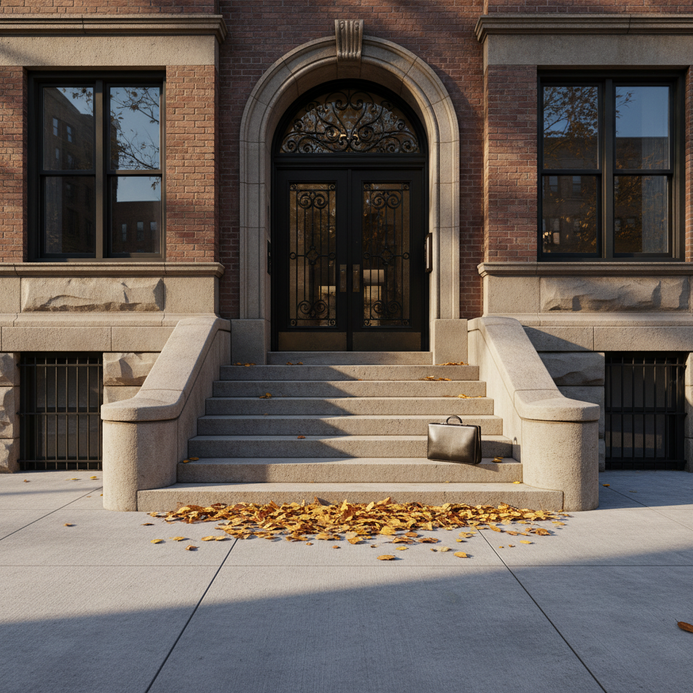
Premises liability law governs when a property owner must pay for injuries caused by unsafe property conditions, from wet floors to broken stairs and negligent security. Many people search online for both explanations of the law and clear next steps, and competitors often combine legal education with strong calls-to-action.
This article explains how New York premises liability works, how to prove negligence, what compensation may be available, and when to contact a New York premises liability attorney for a free consultation through a trusted premises liability law firm such as LegalExperts.AI.
Understanding Premises Liability and New York law
New York premises liability law is part of personal injury law and focuses on the duty property owners and occupiers owe to people who enter their property. Understanding when property owner responsibility arises helps injured people recognize when an accident is more than bad luck and may justify a personal injury claim.
What is premises liability and what is premises liability law in New York?
Premises liability in New York refers to the legal responsibility of owners and those in control of property for injuries caused by unsafe property conditions on that premises. Courts treat premises liability as a form of negligence law, meaning an injured person must show that the owner or occupier failed to act with reasonable care under the circumstances.
In New York premises liability attorney practice, premises liability law fits within broader personal injury law, which covers duties owed to lawful visitors such as customers, tenants, delivery workers, and invited guests. In limited situations, such as children attracted to a dangerous condition, duties can extend even to trespassers when a risk is foreseeable.
Common hazardous conditions that trigger premises liability in New York include spilled liquids and snow or ice that create slip-and-fall risks, broken steps or handrails, loose flooring or uneven sidewalks, poor lighting that hides hazards, and negligent security that allows assaults, robberies, or other foreseeable criminal acts. When these hazards lead to someone being injured on someone else’s property, New York law enables that person to seek damages.
What is considered premises liability and when is a property owner liable?
What is considered premises liability under New York law depends on whether a dangerous condition on the property created an unreasonable risk of harm that the owner or occupier knew about or should have known about. A simple accident with no hazardous condition, such as tripping over one’s own untied shoelaces, usually does not create legal fault.
A property owner is liable for injuries when the injured person proves that the owner had a duty of care, breached that duty by failing to address or warn about unsafe property conditions, and that the breach caused the injury and resulting damages. Knowledge can be actual, such as a prior complaint, or constructive, such as a spill that existed long enough that a reasonable owner would have discovered it through regular inspections.
Property owner responsibility also varies by setting. Homeowners must keep walkways and steps reasonably safe for guests. Commercial businesses such as supermarkets and office buildings must actively monitor their premises for hazards that could injure customers or visitors. Landlords must maintain common areas like lobbies, stairwells, and parking lots. Public entities must keep sidewalks, schools, parks, and transit areas reasonably safe, subject to special notice requirements.
When someone is injured on someone else’s property in New York City, negligence focuses on what a reasonably prudent owner, landlord, or tenant would have done. Failing to salt icy steps, ignoring repeated complaints about a broken entry lock, or letting lighting in a parking garage fail for weeks can all support a finding of negligence when injuries result.
Who can be held liable in a premises liability case?
Responsibility for a premises liability accident in New York often extends beyond the person whose name appears on the deed. Courts look at who controlled the area where the accident occurred and who had the ability to fix or warn about unsafe property conditions.
Potentially liable parties include landlords who control common areas, commercial tenants who occupy and manage business spaces, property management companies contracted to maintain buildings, independent maintenance or snow-removal contractors whose work was careless, and in some cases security companies whose negligent security measures contributed to an assault or robbery. More than one party can share liability.
If you were hurt in an apartment building hallway, lobby, stairwell, or shared outdoor area, you may have a claim against a landlord even if a tenant also bears some responsibility. Lease provisions and indemnity clauses can shift financial responsibility among owners, tenants, and contractors, but those private agreements do not remove your right to pursue compensation from any legally responsible party.
Insurance contracts, including homeowners, renters, commercial general liability, and umbrella policies, frequently determine which company ultimately pays a settlement or court judgment. An experienced New York premises liability attorney can trace coverage layers and identify every potentially responsible insurer to maximize compensation.
How do New York premises liability laws differ from other states?
New York premises liability law differs from some other states in how it treats visitors. Many states distinguish sharply among invitees, licensees, and trespassers, giving business customers the greatest protection and social guests less. New York generally applies a single reasonable-care standard for lawful visitors, although trespassers usually receive narrower protection and must show particularly egregious conduct.
New York follows pure comparative negligence, meaning a court reduces an injured person’s damages by that person’s percentage of fault but never bars recovery completely. By contrast, in pure contributory negligence states, even one percent of fault by the injured person can wipe out recovery entirely. Comparative negligence rules in New York therefore provide more flexibility when responsibility is shared.
Statutes of limitations and notice-of-claim rules also differ between New York and neighboring jurisdictions. Most New York premises liability lawsuits must be filed within three years of the accident, while claims against cities, counties, or other public entities often require a written notice of claim within ninety days and a shorter limitations period. Other states use different time limits, which can be longer or shorter.
Working with an NYC premises liability lawyer who understands these interstate differences is especially important if you were injured while visiting from out of state or if multiple properties or businesses in different states are involved. A knowledgeable lawyer can evaluate where to file suit, which law applies, and how to protect your rights in each potentially relevant jurisdiction.
Types of premises liability accidents and claims
Premises liability accidents in New York occur in many everyday locations, from grocery stores and apartment buildings to transit hubs and public sidewalks. The law focuses less on the label of the accident and more on whether negligence by a property owner or occupier caused preventable harm.
What types of premises liability cases do we handle?
New York premises liability lawyers and premises liability law firms commonly organize cases into recurring categories tied to how and where injuries occur. Understanding these types of accidents helps injured people recognize when professional legal help may be necessary.
Typical types of premises liability cases we handle include:
- Slip-and-fall and trip-and-fall accidents on wet floors, debris, uneven sidewalks, broken stairs, or torn carpeting
- Apartment building and landlord negligence, including unsafe stairwells, broken intercoms or locks, and poorly maintained common areas
- Negligent security incidents involving assaults, robberies, or shootings in buildings, parking lots, hotels, or transit areas where better security could have reduced the risk
- Falls and injuries in commercial properties such as supermarkets, shopping centers, restaurants, office buildings, and big-box stores caused by spills, clutter, or poor lighting
- Accidents in public or municipal spaces, such as defective sidewalks, transit hubs, parks, and schools, where a city or public authority failed to maintain safe conditions
What are common injuries in premises liability cases?
Premises liability accidents often cause injuries that range from temporary pain to permanent disability. Medical documentation of these injuries is crucial to proving damages and obtaining fair compensation.
Common injuries include fractures of the wrist, ankle, hip, or spine from falls on stairs, icy sidewalks, or wet floors, which may require surgery, hardware, and extensive physical therapy. Traumatic brain injuries can result from hitting the head on the ground or a structure, leading to headaches, memory problems, dizziness, and in severe cases long-term cognitive impairment.
Spinal cord injuries and herniated discs occur when the back or neck is violently twisted or compressed, sometimes causing chronic pain, limited mobility, or paralysis. Soft-tissue injuries such as sprains, strains, and ligament tears may seem minor at first but can evolve into chronic conditions that limit work or daily activities.
In negligent security cases, injuries may include gunshot wounds, stab wounds, facial fractures, and psychological trauma such as post-traumatic stress disorder. These injuries differ from slip-and-fall injuries because they originate from criminal acts that the property owner should have anticipated and reduced through adequate security. Thorough medical records, imaging studies, and mental health evaluations form the backbone of any damages claim in premises liability litigation.
What should I do after a premises liability accident in places like parking lots or apartment buildings?
Actions taken in the minutes and days after a premises liability accident can significantly influence the strength of a future personal injury claim. Prompt steps help preserve evidence before property owners have time to fix hazards, overwrite surveillance footage, or dispute what occurred.
If you slipped and fell in an apartment building or hallway and wonder, “Can I sue after slipping and falling in an apartment building?”, your first priority is safety. Seek medical attention, then report the accident to building staff or management in writing, describing exactly where and how you fell. Ask for a copy or photograph of any incident report.
When injured in a commercial area or parking lot owned by a business, notify store management or security immediately and request that video footage be preserved. If you are injured in a parking lot owned or maintained by a municipality, the event may trigger shorter deadlines and notice requirements, making early legal advice especially important.
Regardless of location, obtain prompt medical evaluation even if you think you only suffered minor bruises. Some injuries, especially brain and spinal injuries, may take hours or days to fully appear. Medical records created soon after the accident connect your symptoms to the incident and reduce the chance that insurers argue your injuries came from another cause.
Proving a premises liability claim in New York
To recover compensation in a New York premises liability case, an injured person must do more than show that an accident happened on someone else’s property. The law requires proof of several elements, supported by evidence gathered and preserved as early as possible.
What are the requirements for a successful claim and how do I prove my premises liability case?
New York premises liability standards require proof of four elements: duty, breach, causation, and damages. A successful claim shows that the defendant owed a duty of reasonable care, breached that duty by failing to fix or warn about unsafe property conditions, that the breach caused the accident, and that the accident led to measurable losses.
Answering the long-tail question “How do I prove a premises liability claim in New York?” involves gathering facts that tie each element together. Evidence often includes photographs or videos of the hazard, incident reports, maintenance records, prior complaints, and witness statements describing what happened and how long the hazard existed.
Lawyers often obtain surveillance footage from building cameras and nearby businesses and may work with experts in building safety, security, or engineering to testify about dangerous conditions. Legal research platforms such as Westlaw and LexisNexis allow a New York premises liability lawyer to identify relevant statutes, building codes, and prior appellate cases that support arguments about duty and breach in your specific situation.
How do I prove negligence, address common defenses in premises liability cases, and know if I have a case?
To win a New York premises liability case, you generally must prove negligence, which means showing that a reasonably careful property owner would have behaved differently under similar circumstances. Proving negligence in practice involves a detailed review of inspection routines, cleaning logs, security staffing, lighting maintenance, and response to prior incidents.
You may wonder whether you have a case when a hazard was open and obvious, temporary, or partly caused by your own actions. New York law allows defendants to argue that the danger was so visible that you should have avoided it or that the condition appeared only moments before the accident, leaving them no time to respond. Defendants may also claim you were distracted, intoxicated, or wearing unsafe footwear.
Common defenses in premises liability cases include lack of notice of the hazard, lack of causation between the hazard and the injury, comparative fault, and assumption of risk, such as voluntarily walking on clearly icy ground. New York’s comparative negligence law reduces damages in proportion to your share of fault but does not bar recovery entirely, even if you are mostly at fault.
According to a 2023 ABA study from the Tort Trial and Insurance Practice Section, plaintiffs who obtained early legal advice and documented hazards with photographs and witness information were significantly more likely to establish negligence in contested premises liability trials.
What to do after a premises liability accident, what evidence do you need, and can you sue if you were injured on someone else’s property?
After a premises liability accident, strong evidence can separate a successful claim from one that insurers refuse to pay. Many injured people ask, “What should I do after being injured on someone else’s property?” because they sense that property owners and insurers will start preparing a defense immediately.
A practical documentation checklist can help you preserve key proof before meeting a New York premises liability attorney:
- Photograph or record video of the scene, focusing on the hazard, lighting, weather, warning signs, and any temporary repairs
- Collect names, phone numbers, and email addresses of witnesses, and request copies or photos of any incident reports you complete or sign
- Save all medical records, bills, discharge instructions, and communications from insurers or property owners, organizing them in secure digital folders that you can share during a Zoom consultation or through an encrypted client portal
You can often sue even if there were no prior complaints about the hazard, as long as you can show that a careful owner should have discovered and fixed the condition in time. After being injured on someone else’s property, avoid giving detailed recorded statements to insurers before speaking with counsel, and do not post about the incident on social media, because defense lawyers may attempt to use those posts to undermine your claim.
Damages in New York premises liability cases
Damages in a premises liability case represent the financial and human impact of an injury. New York law allows recovery for both economic and non-economic losses that flow from the negligent maintenance or security of property.
What types of damages can I recover, and what are my compensation options?
In New York premises liability cases, injured people can seek several categories of damages. Economic damages include past and future medical expenses, rehabilitation costs, prescription medications, assistive devices, and lost income or diminished earning capacity due to time off work or permanent limitations.
Non-economic damages compensate for pain and suffering, emotional distress, loss of enjoyment of life, and, in severe cases, loss of consortium. If you are asking, “What compensation can I get for a premises liability injury?”, the answer depends on the severity and duration of your symptoms, your age and work history, and how the injury affects daily activities and relationships.
Your compensation options usually start with an insurance claim against the property owner’s liability policy or a business’s commercial general liability coverage. When insurers refuse to pay fair value, your lawyer may file a lawsuit and proceed through discovery, motion practice, and potentially trial. The strength of evidence of negligence, the clarity of medical proof, and the amount of available insurance coverage all influence potential damages and compensation.
How much is my case worth and what do recent New York results show?
Valuing a premises liability case in New York requires combining legal analysis with practical knowledge of how juries and insurers react to certain injuries and fact patterns. Lawyers estimate case value by reviewing medical records, calculating economic losses, evaluating liability strength, and comparing your case to prior verdicts and settlements.
Reported New York premises liability verdicts show a wide range of outcomes. Some moderate fracture cases resolve in the low six figures, while catastrophic injuries such as traumatic brain injury or paralysis can lead to settlements or verdicts in the millions of dollars when negligence is clear and long-term care needs are extensive. Egregious conduct, such as ignoring repeated complaints or falsifying maintenance records, can also increase case value.
According to a 2024 New York court system report on civil jury outcomes, premises liability verdicts vary significantly by county and injury severity, with urban juries tending to award higher amounts for severe, well-documented injuries than rural juries, reinforcing the importance of detailed medical and vocational evidence.
How New York premises liability lawyers can help
Skilled New York premises liability lawyers guide injured people through each stage of the claims process, from initial investigation to trial or settlement. Legal representation balances the power between individuals and large property owners, management companies, and insurers.
How can a lawyer help you and how can a New York premises liability lawyer help?
A premises liability lawyer helps evaluate your situation, preserve evidence, and handle all communications with insurers so you can focus on healing. Early involvement allows counsel to secure surveillance footage and witness statements before memories fade and records disappear.
A New York premises liability lawyer can visit or arrange an inspection of the scene, work with building, engineering, and security experts, and obtain maintenance and incident records through formal legal processes. Lawyers also negotiate with defense counsel and insurers, assessing when a settlement offer reflects fair value and when trial may be necessary.
Modern case-management software helps law firms track deadlines, organize evidence, and coordinate across legal teams, while secure e-sign platforms allow clients to review and sign documents from home or a hospital bed. Counsel can also advise you on what to say, and what not to say, to property owners, risk managers, or insurers, and how to manage social media activity while your personal injury claim is pending.
How can New York premises liability lawyers, New York premises liability attorneys, and New York City premises liability lawyers support your case?
New York premises liability lawyers and New York premises liability attorneys help coordinate with medical providers to obtain complete records and expert opinions about prognosis, disability, and future treatment needs. Strong medical support is essential to demonstrating how an accident has changed your life and to quantifying long-term costs.
New York City premises liability lawyers handle matters involving city-owned property, transit hubs, public housing, and municipal buildings, where special rules apply. When an accident occurs in a subway station, on a city sidewalk, or in public housing, an NYC premises liability lawyer must identify the correct public entity and meet strict notice-of-claim requirements.
Our NYC premises liability attorneys can ensure that all deadlines are met, including the ninety-day window to serve a notice of claim in many municipal cases and the shorter statutes of limitations that may apply. Remote consultation platforms such as Zoom make it easier for injured clients to meet with counsel, review evidence, and discuss strategy without unnecessary travel, particularly when mobility is limited.
Who can file a premises liability claim, when do you need a premises liability lawyer near you, and do you need a premises liability attorney after an accident?
Many people can file a premises liability claim in New York, including residents, visitors, tourists, workers, and undocumented individuals, as long as they were legally present or fall within recognized exceptions. Immigration status generally does not prevent an injured person from seeking compensation for negligence.
You usually need a premises liability lawyer near you as soon as you suspect that unsafe property conditions contributed to your injury. Quick contact with a New York premises liability law firm helps ensure that evidence is preserved, property conditions are documented, and statutory deadlines are identified. Waiting too long can allow surveillance footage to be overwritten and witnesses to become hard to locate.
Some injured people ask, “Do I need a premises liability attorney after an accident if the property owner’s insurer is already offering a settlement?” Early offers often seek to close the claim before the full extent of injuries and future costs are known. According to a 2025 legal tech survey from the Institute for Legal Innovation, injured clients who used online research and digital platforms to compare premises liability counsel reported higher satisfaction and better perceived settlement outcomes than those who accepted initial offers without legal advice.
Frequently asked questions and free consultation
Common questions about New York premises liability law focus on deadlines, evidence, shared fault, and what to expect from a free consultation. Clear answers can reduce anxiety and help injured people decide when to request a case review.
How long do I have to file a claim in New York?
In many New York premises liability cases involving private individuals or businesses, you generally have three years from the date of the accident to file a lawsuit. However, shorter time limits may apply in certain situations, and only a lawyer reviewing your specific facts can provide advice about deadlines for your case.
When suing a city, county, or other public entity for a defective sidewalk, school, park, or transit facility, you may have to serve a formal notice of claim within ninety days and file suit within one year and ninety days in many circumstances. Missing these deadlines can bar your claim entirely, regardless of how strong the underlying negligence evidence may be.
Waiting too long to consult New York premises liability lawyers can weaken your ability to collect evidence and prove negligence because hazards are repaired, weather changes, and witnesses move away. Even if you are still receiving medical treatment, a New York personal injury claim can often be preserved by hiring counsel early, allowing your lawyer to handle communications and paperwork while your healthcare providers focus on recovery.
What other common New York premises liability questions and contact options should you know about?
Injured people in New York often ask about what types of damages they can recover, what evidence they need for a premises liability claim, how much their case is worth, whether they can file if they were partially at fault, and what happens if they are injured in a parking lot or have a claim against a landlord. These questions all relate to the core issues of liability, damages, and procedure.
If you are unsure whether your situation fits premises liability, you can contact New York premises liability lawyers or New York personal injury lawyers for a free consultation to review your accident, injuries, and potential defendants. Many firms, including those who partner with LegalExperts.AI, offer no-cost, no-obligation case evaluations and only collect a fee if they recover compensation.
You can usually schedule a free consultation online or by phone and choose between an in-person meeting and a video conference, such as a secure Zoom session, depending on your preferences and mobility. During outreach, be prepared to share basic facts about where and how you were injured, your current medical condition, and any communications from insurers so far.
How do I use these FAQs and contact options to take the next step?
Understanding whether you have a case begins with comparing your facts to the principles of New York premises liability law, including whether unsafe property conditions and negligence played a role in your injury. New York City premises liability lawyers can interpret FAQs in light of your specific circumstances, explaining how rules about notice, comparative fault, and damages apply.
During a free consultation with New York premises liability attorneys, you can expect an initial intake to gather background information, a conflict check to ensure the firm does not represent adverse parties, and a preliminary strategy discussion about potential defendants, evidence, and timelines. You will have the opportunity to ask questions about fees, communication methods, and what to expect as your case progresses.
Arriving with a detailed intake form and your documentation checklist, including photos, medical records, incident reports, and insurance correspondence, positions your case strongly from the first meeting with counsel. Organized information helps your lawyer quickly assess strengths and weaknesses, outline next steps, and begin protecting your rights.
Key points are that New York premises liability law holds property owners and occupiers responsible for unsafe property conditions, that strong evidence and timely action are crucial, that damages can include both economic losses and pain and suffering, and that experienced counsel can navigate complex rules and defenses. LegalExperts.AI provides reliable solutions.