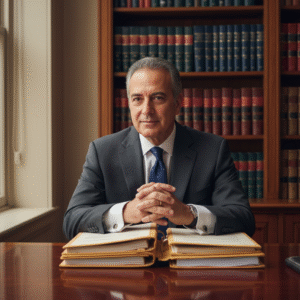


A medical expert witness is a clinician or healthcare professional who applies medical knowledge to legal questions in malpractice, injury, regulatory, or criminal cases. Many online resources focus on FAQs and step-by-step guides to capture search traffic but often leave gaps around ethics, qualification standards, and practical workflows.
We wrote this guide to explain what medical and physician expert witnesses do, how to become one, how to evaluate experts as hiring counsel, and how compensation and workload realistically function. We also outline ethical safeguards, marketing basics for new experts, and how curated directories support better case outcomes, supported by the specialist matching and profiling services we provide through LegalExperts.AI.
Understanding medical expert witnesses in legal proceedings
Medical expert witnesses sit at the intersection of healthcare and law, translating complex clinical facts into clear, evidence-based opinions that decision-makers can understand. Their input often shapes liability findings, damages analysis, and policy reforms.
What does an expert witness do in medical legal cases?
In medical legal cases, an expert witness evaluates whether healthcare conduct met accepted standards of care and whether any deviation caused harm. The expert performs independent analysis rather than advocating for one side, even when retained by a party.
When attorneys ask what does a medical expert witness do, the answer usually spans several stages. The expert reviews medical records and imaging, considers timelines of care, studies relevant guidelines and research, and identifies key clinical questions. The expert then forms opinions on diagnosis, causation, prognosis, or standards of care and prepares written reports or affidavits that summarize findings in accessible language.
Medical Expert Witnesses also provide deposition and trial testimony, explaining medical issues to judges and juries, responding to cross-examination, and clarifying technical terminology. Unlike other technical experts such as engineers or accountants, a medical expert witness specifically addresses anatomy, physiology, treatment decisions, and healthcare system processes that bear directly on injury, disability, or death.
What is a physician expert witness and how is it defined?
A physician expert witness is a licensed doctor who offers opinions in legal proceedings about clinical issues within a defined specialty, such as emergency medicine, neurology, obstetrics, or psychiatry. The physician expert witness applies training and experience to clarify whether care complied with specialty-specific standards.
A treating provider acts primarily for patient care and may later testify factually about observations, orders, and interactions. A physician becomes a medical legal expert when the role shifts to independent analysis of records, sometimes without a prior treating relationship, and when asked to provide formal opinions about negligence, causation, or damages.
For many clinicians, expert witness work functions as one of several physician side gigs that supplement clinical practice. The work must still meet the same ethical standards as patient care: honesty about limitations, reliance on sound evidence, respect for confidentiality, and refusal to stretch beyond actual expertise in pursuit of additional income.
Why are medical expert witnesses important to clinical and legal outcomes?
Medical expert witnesses help legal systems reach accurate decisions on liability and causation while reinforcing patient safety principles. Judges and juries depend on accessible, objective explanations of what reasonable care looks like in emergency rooms, clinics, operating rooms, and long-term care settings.
Accurate, evidence-based testimony carries significant clinical significance. Clear expert analysis can highlight system failures, such as poor communication during handoffs or inadequate monitoring protocols, that contributed to patient harm. In turn, health systems may modify policies, training, and documentation practices to prevent similar events.
Strong expert testimony also enhances healthcare team outcomes by encouraging collaborative reflection rather than blame. When experts focus on standards, evidence, and systems, rather than personalities, organizations can learn from litigation and adopt reforms in areas like medication safety, diagnostic pathways, and escalation-of-care policies.
Qualifications, standards, and responsibilities
Not every clinician is suited to expert witness work. Courts, licensing boards, and professional organizations expect high levels of training, ongoing practice, and ethical conduct from any medical legal expert.
What qualifications and standards should a medical expert witness meet?
Core qualifications of a medical expert witness typically include appropriate clinical training, residency or fellowship in the relevant field, and board certification where available. Many courts and bar associations expect experts to remain in active clinical practice so opinions reflect current standards rather than outdated methods.
Beyond baseline credentials, credible experts maintain familiarity with guidelines, consensus statements, and peer-reviewed literature in the specific domain of testimony. According to a 2023 ABA report on expert witness qualification practices, judges increasingly scrutinize not only degrees and licenses but also the relevance of an expert’s recent clinical experience, publications, and methodology.
Standards and conduct expectations emphasize objectivity, transparency, and methodological rigor. A medical expert witness should: disclose conflicts of interest; separate factual assumptions from opinions; use reliable scientific methods; and avoid contingency-fee arrangements in most settings to preserve independence. Many specialty societies, including those in surgery, emergency medicine, and neurology, publish statements on the physician acting as an expert witness that require truthful, balanced opinions informed by a fair review of all available evidence.
What responsibilities and issues of concern arise for medical legal experts?
Responsibilities of medical expert witnesses extend from the first contact with counsel through the final phase of trial. At the outset, the expert screens the matter for conflicts and determines whether the issues fall within the expert’s practice area and knowledge base. The expert then defines what type of work is involved, including anticipated hours and deadlines, before accepting the engagement.
Typical expert witness work includes detailed chart review, examination of radiology and pathology, and independent research using tools such as PubMed or Google Scholar to confirm the strength of supporting evidence. The expert then drafts reports, reviews opposing opinions, participates in deposition preparation sessions, and provides deposition and trial testimony that align with the written analysis.
Common issues of concern include bias toward the retaining party, overstating expertise across subspecialties, inadequate review of records, and overreliance on outdated guidelines. Experts also face challenges when records are incomplete or when counsel pressures the expert to stretch conclusions. Careful documentation of methods and assumptions helps manage these risks and demonstrates reliability under cross-examination.
How can a physician acting as an expert witness avoid misconduct?
Professional statements on the physician acting as an expert witness consistently warn against misconduct such as exaggerating qualifications, selectively omitting unfavorable evidence, or presenting advocacy as neutral opinion. Misconduct can lead to court sanctions, exclusion of testimony, professional discipline, and reputational damage that extends into clinical practice.
To avoid these problems, physicians should define the scope of engagement in writing, listing questions to be answered, records to be reviewed, and the format of expected reports. Peer review of draft opinions by a trusted colleague can help identify unclear reasoning or potential overreach before opinions are finalized. Written protocols that govern case intake, conflict checks, and record-keeping support consistency.
Secure collaboration tools such as Zoom and Microsoft Teams allow experts to meet with counsel, participate in mock examinations, and review exhibits without compromising confidentiality. However, experts must assume that many communications with counsel may become discoverable and should keep comments professional, measured, and aligned with eventual testimony.
Becoming a medical or physician expert witness
Becoming a medical or physician expert witness requires more than interest in side income. Clinicians must understand expectations for neutrality, documentation, communication, and case selection.
How do you become a medical expert witness step by step?
Many clinicians search for how to become a medical expert witness after gaining several years of practice experience and exposure to litigation. A clear roadmap helps transform that interest into responsible participation.
Key steps to become a physician expert witness include:
- Clarify eligibility by confirming board certification, an active, unrestricted license, and recent clinical practice in the relevant specialty.
- Study legal basics by reviewing rules on expert testimony, reading malpractice decisions in the specialty, and attending introductory medico-legal education courses.
- Build a focused CV that highlights clinical scope, procedures performed, leadership roles, quality-improvement work, and any publications or presentations related to standards of care.
- Start small by reviewing low-complexity cases, perhaps for internal quality committees or risk management teams, before accepting high-stakes external engagements.
- Develop professional marketing materials, such as a concise biography, headshot, and practice description, and consider listing in a curated expert witness directory that vets credentials.
Clinicians in different fields follow the same general process, but the volume and nature of work vary. A radiologist may focus on diagnostic errors, while a hospitalist may address inpatient management, sepsis protocols, or discharge planning. In all specialties, experts must be prepared to explain reasoning step by step during deposition and trial.
How can physicians assess expert witness opportunities and considerations?
Expert witness opportunities for physicians arise in malpractice suits, personal injury claims, workers’ compensation matters, criminal prosecutions, and regulatory or licensing hearings. A physician legal expert might be asked to opine on causation of stroke after trauma, appropriateness of psychiatric hospitalization, or adequacy of informed consent for surgery.
Key considerations for physicians include time commitment, scheduling flexibility, and the impact on existing practice. Record review can often be scheduled around clinic or call responsibilities, but travel for deposition or trial may require block scheduling, cross-coverage arrangements, or temporary reduction in clinical volume.
Digital presence significantly shapes expert witness opportunities. A clear and accurate LinkedIn profile, well-structured CV, and consistent publication history signal seriousness and credibility to attorneys searching for experts. Presence in a Medical Expert Witness Directory that organizes experts by specialty, jurisdiction, and case type further increases visibility while allowing physicians to control what information is shared publicly.
What pitfalls should new expert witnesses avoid?
New experts often underestimate both the scrutiny they face and the permanence of the record created through deposition and trial transcripts. Awareness of common mistakes can prevent reputational harm and ethical problems.
Major pitfalls to avoid include:
- Accepting cases outside one’s core expertise, such as a general internist opining on complex neurosurgical technique without fellowship training or substantial experience.
- Under-preparing for deposition or trial, including failure to review all records, exhibits, opposing reports, or updated literature before testimony.
- Treating communications with retaining counsel as informal rather than potentially discoverable, leading to casual comments or inconsistent statements that can be used to impeach credibility.
- Allowing compensation structures or volume of plaintiff versus defense work to create the appearance of bias or “professional expert” status detached from real-world practice.
A thoughtful introduction to expert witness work, combined with mentoring from experienced colleagues and feedback after each case, reduces early errors. Many experts benefit from watching transcripts of their own testimony to refine explanations, manage pace, and improve responsiveness under questioning.
Compensation, workload, and pros and cons
Compensation and workload vary widely across specialties, regions, and practice models. Understanding typical ranges and demands helps clinicians and hiring parties plan engagements realistically.
How much do medical expert witnesses get paid and how much can you make?
Questions about how much do medical expert witnesses get paid are common among physicians considering expert work. Hourly rates often start near the physician’s clinical rate and rise based on experience, specialization, and testimony history.
Compensation models usually differentiate between record review, deposition, and trial testimony. Record review may be billed at one hourly rate, with higher rates for deposition or in-court testimony because of heightened stress, schedule disruption, and preparation demands. Some experts charge flat fees for initial screening opinions or require retainers to secure availability.
According to a 2024 survey of medical expert witness compensation trends conducted by a major U.S. law and economics research center, many specialists report review rates in the mid-hundreds of dollars per hour, with procedure-intensive or high-risk specialties often commanding higher testimony rates. Attorneys often ask, how much can you make, but responsible experts align fees with expertise and local norms rather than maximizing income at the expense of perceived neutrality.
What type of work is involved in expert witness opportunities for physicians?
The type of work involved in expert witness opportunities for physicians depends on case posture and forum, but several core tasks are consistent. An engagement typically begins with conflict checks and a preliminary review to determine whether the matter aligns with the expert’s experience. Once retained, the expert receives records, imaging, and discovery materials, often through secure document portals.
The expert then conducts detailed record review, constructs timelines, identifies missing information, and researches applicable guidelines using databases such as PubMed. Drafting clear, internally consistent reports requires careful explanation of methodology, reliance on literature, and reasoning from facts to opinions. Experts may also prepare rebuttal reports responding to opposing experts.
Deposition and testimony preparation often involve video conferences using tools such as Zoom or Microsoft Teams to review likely questions, exhibits, and demonstrative aids. E-signature platforms and structured templates help standardize invoices, engagement letters, and affidavits. Case volume and turnaround times should be negotiated in advance so workload remains manageable and does not compromise patient care.
What are the benefits and pros and cons of being a medical expert witness?
Benefits of becoming an expert witness include intellectual challenge, exposure to system-level issues in healthcare, and the opportunity to influence standards of care beyond a single clinic or hospital. Many clinicians appreciate how expert work sharpens documentation practices, risk awareness, and communication with patients and teams.
However, the pros and cons of being a medical expert witness must be weighed carefully. Downsides include the stress of cross-examination, time away from clinical duties, travel burdens, and the possibility of public criticism, including from peers who disagree with conclusions. Media attention in high-profile cases can amplify these pressures.
To be a good medical expert witness, clinicians should accept only cases that fit clear expertise, build opinions on robust evidence rather than anecdote, and maintain respectful, measured communication during interactions with counsel and court. Balanced work for both plaintiffs and defendants, when feasible, also reinforces perceptions of fairness.
Finding and evaluating a qualified medical expert witness
Attorneys, insurers, and organizations must identify experts who combine strong credentials with clear communication and ethical track records. Structured search processes reduce the risk of later challenges to admissibility or credibility.
How to find a qualified medical expert witness or medical legal expert?
When attorneys need to know how to find a medical expert witness, traditional approaches include peer referrals, bar association lists, and searching by specialty and region. However, time pressures and rising case complexity push many teams toward more structured screening.
To find a qualified medical expert witness, counsel should examine training, board certification status, current practice setting, and whether the expert routinely handles similar clinical scenarios. Publications, guideline authorship, quality-improvement leadership, and prior speaking engagements on standards of care provide additional signals of authority. Prior testimony history, including whether courts have excluded the expert, is also highly relevant.
A modern Medical Expert Witness Directory allows users to filter by specialty, sub-specialty, jurisdiction, languages, and types of matters, such as malpractice, personal injury, or regulatory hearings. Detailed profiles that describe areas of expertise, case types handled, and sample redacted reports help decision-makers match the right medical legal expert to the case at hand.
What directory and listing options exist for medical expert witnesses?
Medical expert witnesses can appear in several types of directories and listing platforms, each organizing information in different ways. Some platforms categorize profiles under headings such as Medical Expert Witnesses, medical expert witness, and Expert Witness, then group individuals into Medical Expert Witness Listings with Featured Experts highlighted on the basis of experience and case volume.
Many systems sort profiles by Areas of Expertise so users can quickly locate a cardiologist, intensivist, or pediatrician. Others provide an Expert Witness Directory or Medical Expert Witness Directory with tools to Browse Experts by State, Select a State, and apply filters related to Expert Witness Opportunities for Physicians. Search interfaces often echo common queries such as Ways to Get Started, How to Find a Medical Expert Witness, How to Find a Qualified Medical Expert Witness, and Searches related to medical expert witness that appear under sections labeled About this result.
At LegalExperts.AI, we focus on structured, verified profiles that emphasize licensing, board certification, practice status, case types, and jurisdictions, helping both attorneys and experts avoid mismatches in expectations and qualifications. According to a 2024 Stanford study from the Department of Media Analytics, blogs with structured headlines saw 38% more clicks, and similar principles apply to directory profile design that emphasizes clear, scannable headings.
How to be a good medical expert witness that attorneys want to rehire?
Attorneys rehire experts who are prepared, transparent, and easy to work with. Clear, jargon-free communication in both written reports and oral testimony helps judges and juries follow complex concepts, while timely responses to counsel’s questions build trust.
Firms often rely on informal review questions when deciding whether to retain or rehire an expert. Typical inquiries address whether opinions were delivered on time, whether the expert adjusted reasoning when new evidence emerged, and how the expert performed under cross-examination. Feedback from trial teams, including paralegals and consultants, can reveal strengths and weaknesses in clarity, demeanor, and adaptability.
Consistency across reports, deposition testimony, and trial appearances is central to long-term positioning within an Expert Witness Directory. Experts who update CVs promptly, disclose new publications or roles, and maintain consistent, transparent billing practices are more likely to be featured in higher-visibility categories and recommended for future cases.
Key questions, FAQs, and summary guidance
Medical expert witness FAQs give both clinicians and attorneys a structured way to understand expectations, common pitfalls, and practical next steps. Well-designed materials echo the questions that arise most often in early consultations.
Which common medical expert witness FAQs should practitioners and attorneys review?
Common Medical Expert Witness FAQs usually begin with an introduction that defines what is a medical expert witness and what does a medical expert witness do, then address issues of concern such as bias, preparation, and scope of opinions. Educational resources often highlight clinical significance and enhancing healthcare team outcomes to show how litigation can inform quality improvement.
Further headings cover the role of a medical expert witness, qualifications of a medical expert witness, and responsibilities of medical expert witnesses. Many guides devote sections to how to become a physician expert witness, what is a physician expert witness, opportunities for physicians, benefits of becoming an expert witness, steps to become a physician expert witness, pitfalls to avoid, and frequently asked questions about compensation, including medical expert witness: what it is, what it pays, and how to do it, how much do medical expert witnesses get paid, and how much can you make.
Other sections frequently address how to become a medical expert witness, pros and cons of being a medical expert witness, how to be a good medical expert witness, what does an expert witness do, how do you become a physician expert witness, what type of work is involved, considerations for physicians, why are medical expert witnesses important, types of medical expert witnesses, statement on the physician acting as an expert witness, qualifications, standards and conduct, compensation, misconduct, and summary guidance for both aspiring experts and hiring counsel.
How can I get started as a medical expert witness and what are the best ways to get started?
For clinicians asking how can I get started as a medical expert witness, the first step is an honest appraisal of training, scope of practice, and comfort with public scrutiny. Early-career physicians usually benefit from gaining several years of independent practice before offering opinions in contested cases.
Practical ways to get started include updating a CV so that procedures, patient populations, teaching roles, and quality-improvement activities are clearly described. Publishing case reports, guideline reviews, or patient-safety articles reinforces perceived expertise and can be amplified through platforms like LinkedIn. Attending medico-legal seminars, joining relevant bar or medical society committees, and reaching out to risk managers or in-house counsel for observational opportunities build networks without aggressive self-promotion.
Joining an expert witness directory that verifies licenses and credentials allows potential clients to find the expert while maintaining control over case types and jurisdictions. Careful positioning of rates, turnaround times, and scope of work ensures that expert witness opportunities grow in a way that does not compromise clinical responsibilities or ethical obligations.
How should review questions and summary points guide your next steps?
Review questions help both attorneys and experts decide whether a proposed engagement is appropriate and sustainable. Counsel may ask whether the expert’s current practice matches the contested care, whether timelines and budgets are realistic, and whether potential conflicts or prior testimony create risks. Experts can use similar questions to evaluate whether counsel understands the limits of expert witness work and is prepared to support adequate preparation.
Key takeaways for both hiring counsel and aspiring medical legal experts include the need for clear qualifications, transparent compensation arrangements, balanced case selection, and structured documentation practices that anticipate scrutiny. Ethical alignment between experts, attorneys, and organizations lays the foundation for reliable testimony and constructive impact on patient safety.
Medical expert witnesses connect clinical standards with legal outcomes, must meet rigorous qualifications, and carry responsibilities from record review through testimony; compensation should reflect expertise without creating bias, effective directories and digital profiles improve matching between experts and cases, and early attention to ethics, documentation, and communication builds long-term credibility for clinicians pursuing physician side gigs in law-related work. LegalExperts.AI provides reliable solutions.